

Butter Country: What Moms Need to Know at the Table
“Butter country” points to two very different things depending on where you encounter it: a protected European regional butter tied to specific soil and farming traditions, or a U.S. retail descriptor that can mean almost anything. If you landed here looking for a natural, ancestral sweetener to drizzle over Sunday pancakes, the short answer is to scroll to the yacon syrup section — but the butter context is worth a minute of your time first.
Here is what the phrase covers:
- Regional/PDO sense: Traditional European butters, such as those from Isigny or Charentes-Poitou in France, protected by a Protected Designation of Origin (PDO) that ties the product to a specific geography and set of production rules.
- U.S. retail sense: A marketing label or brand name — “country churned,” “country style,” or even a product called “Butter Country” — that carries no regulated standard and varies widely by brand.
- Family table swap: When you want something naturally sweet and gentle for the whole family, Yakonow yacon syrup is worth keeping next to the butter dish.
Table of Contents
- What does “butter country” actually mean?
- How terroir and PDO rules shape the butter you taste
- What “country butter” looks like in U.S. stores and how it bakes
- Natural ancestral sweeteners for family breakfasts and gatherings
- Yakonow yacon syrup at the family table
- How to choose a family-friendly sweetener
- Key Takeaways
- The small things that hold the table together
- Try Yakonow at your next family brunch
- Useful sources
What does “butter country” actually mean?
The phrase is genuinely ambiguous, and that ambiguity matters in the kitchen.
In Europe, “country butter” or beurre de campagne refers to butter made in a specific rural region under strict rules. The PDO and AOC (Appellation d’Origine Contrôlée) systems codify exactly which farms, which milk, and which production steps qualify. These are not marketing words — they are legal designations enforced by independent bodies like France’s INAO.
In U.S. supermarkets, the story is different. “Country churned” or “country style” appears on packaging as a texture or flavor cue, not a regulated claim. One product even uses “Butter Country” as a brand name outright — Uncle Bob’s Butter Country is a cinnamon-bun flavored buttermilk syrup, which has nothing to do with regional dairy traditions.
- European PDO/AOC: Geographic limits, feed rules, biological maturation requirements, independent oversight.
- U.S. “country” label: Descriptive or brand-driven; no universal standard; fat and water content can vary.
- Why it matters for baking: A butter with slightly higher water content spreads cookies more and can change cake crumb — small differences that add up when you are baking for a crowd.
Pro Tip: When a recipe calls for European-style butter, check the fat percentage on the label. Most U.S. butters sit at 80% butterfat; PDO butters often run 82–84%, which changes how pastry dough handles.
How terroir and PDO rules shape the butter you taste
Regional protections are not bureaucratic formality. They are the reason two butters can taste completely different even when they look identical in the wrapper.
Charentes-Poitou PDO butter, for example, requires milk sourced locally, feed that is largely GMO-free and mostly local, cream collected within 72 hours of milking, and a minimum of 16 hours of biological maturation for the cream before churning. INAO oversees compliance. Those rules exist because the region’s specific microflora and cow feed create a flavor profile that cannot be replicated elsewhere.
Isigny butter owes its pale gold color and grassy, slightly sweet flavor to coastal soils rich in minerals and grass naturally high in beta-carotene. Local master butter-makers add specific lactic ferment agents drawn from that same regional milk — a detail that makes the butter’s flavor consistent batch to batch, season to season.
That consistency is exactly what pastry chefs prize. For laminated doughs like croissants, or for a simple brown butter sauce, predictable fat content and flavor intensity matter. Isigny’s production practices have been recognized for centuries precisely because the terroir delivers the same result reliably.
For context on scale: global butter production in 2025/26 shows India leading at roughly 7,435 thousand metric tons, the EU-27 at about 2,060 thousand metric tons, and the U.S. at approximately 1,150 thousand metric tons. PDO regional butters represent a tiny, craft-level slice of that output — which is part of what makes them special.
What “country butter” looks like in U.S. stores and how it bakes
Walk the dairy aisle and you will find “country churned” on at least a few labels. It usually signals a slightly richer, more old-fashioned flavor profile — but there is no federal standard defining what that means, so the actual formulation is up to the brand.

Home bakers have noticed that country churned butter sometimes behaves differently from standard unsalted butter: cookies spread a little more, cake texture shifts. The likely culprit is small differences in water and fat ratios. If you are swapping one for the other mid-recipe, do a small test batch first.
For sweet family dishes, here is how butter type plays out:
- Brown butter pancakes: Use unsalted butter with a known fat percentage. Brown it in the pan until it smells nutty, then pour batter over it for a caramelized base.
- Cinnamon toast glaze: Melted salted butter mixed with cinnamon sugar makes a fast, crowd-pleasing topping for thick-cut bread.
- Cookie texture control: Higher-fat European-style butter = less spread, chewier center. Standard U.S. butter = more spread, crispier edge.
For a weekend treat, try this simple brown butter drizzle for waffles:
- Melt 4 tablespoons of unsalted butter in a light-colored pan over medium heat.
- Swirl gently until the milk solids turn golden brown and the butter smells like toasted hazelnuts (about 3–4 minutes).
- Remove from heat immediately and pour into a small pitcher.
- Drizzle over waffles alongside a squeeze of Yakonow yacon syrup for a warm, nutty-sweet finish.
For more inspiration on how browning butter deepens flavor in baked goods, this guide to brown butter cookies is a solid starting point.
Natural ancestral sweeteners for family breakfasts and gatherings
When butter is doing the richness work, a good syrup handles the sweetness. Here are the main ancestral options worth knowing:
- Maple syrup: Deep, woody flavor; works beautifully on pancakes and oatmeal. Pure Grade A is the label to look for. Not suitable for infants under 12 months.
- Honey: Floral and versatile; pairs well with yogurt and fruit. Never give honey to infants under 1 year due to botulism risk. Look for raw, single-origin labels.
- Date syrup: Rich, caramel-like, and thick. Great for spreading on toast or stirring into oatmeal. Naturally high in minerals.
- Molasses: Bold and slightly bitter; better in baked goods than as a table syrup. Blackstrap molasses has a strong flavor that can overwhelm delicate dishes.
- Yacon syrup: Mildly sweet, slightly earthy, with a thin-to-medium viscosity. Naturally low glycemic, with prebiotic fiber — a gentle option for the whole family.
Pro Tip: Mixing two sweeteners often gives you the best of both. Try one part yacon syrup to one part maple syrup on pancakes — you get the familiar maple depth with a lighter sweetness and better texture for drizzling.
Yakonow yacon syrup at the family table
Yacon syrup is made from the yacon root, a tuber native to the Andes that has been used as a food source in Peru for generations. Yakonow sources its yacon root by hand in Peru and bottles the syrup in an FDA-compliant facility in Texas — single ingredient, nothing added.
The syrup carries a glycemic index of approximately 1, compared to 54 for maple syrup, because its natural sweetness comes largely from fructooligosaccharides (FOS), a type of prebiotic fiber the body does not fully digest as sugar. That means it is gentle on blood sugar and kind to the gut — a quiet reassurance for moms who read labels carefully.
Serving ideas that work at a real family table:
- Pancake drizzle: Squeeze directly from the bottle over a short stack. The mild sweetness lets the butter flavor come through.
- Yogurt and fruit bowl: A small drizzle over plain Greek yogurt with sliced strawberries and granola. Kids tend to love the light sweetness without the syrupy heaviness.
- Cinnamon toast glaze: Mix with a pinch of cinnamon and brush over thick-cut toast right out of the toaster.
Yakonow comes in three sizes to fit different household rhythms: a single 6oz squeezable bottle for first-timers, a pack of 2 · 6oz bottles for busy family mornings, and a pack of 4 · 6oz bottles for the household that goes through syrup fast.
How to choose a family-friendly sweetener
A quick checklist for the grocery aisle or pantry:
- Check viscosity for the recipe. Thin syrups (yacon, light honey) drizzle well. Thick ones (date syrup, molasses) are better stirred in.
- Read the ingredient list. One ingredient is the gold standard. Multiple syrups, added sugars, or “natural flavors” are flags.
- Consider the age of your youngest child. Honey is off the table for babies under 1. All other options on this list are generally fine for toddlers and up.
- Think about storage. Most natural syrups keep well at room temperature before opening; refrigerate after. Yacon syrup and maple syrup both have a long shelf life.
- Test with picky eaters. At your next brunch, set out two small ramekins — one with the familiar syrup, one with something new. Let kids dip a piece of fruit or a small pancake bite. Low stakes, high curiosity.
Pro Tip: When introducing a new sweetener to the table, mix it with something familiar first. A 50/50 blend of maple syrup and yacon syrup on waffles is almost indistinguishable from straight maple — a gentle on-ramp for the whole family.
Butter brings richness and depth; a good syrup brings sweetness and drizzle. They are not competing — they are a team.
Key Takeaways
“Butter country” means something specific in European dairy tradition and something much looser in U.S. retail, and knowing the difference helps you shop, bake, and set a better table.
| Point | Details |
|---|---|
| Two meanings of “butter country” | PDO-protected regional butter in Europe vs. an unregulated marketing label in U.S. stores. |
| PDO butters offer consistency | Charentes-Poitou and Isigny butters follow strict terroir, feed, and maturation rules overseen by INAO. |
| U.S. “country” labels vary | Fat and water content differ by brand; test a swap before baking a full batch. |
| Ancestral sweeteners for the table | Maple, honey, date syrup, and yacon syrup each bring different flavor and viscosity; mix them for balance. |
| Yakonow for family mornings | Single-ingredient yacon syrup with a GI of approximately 1; available in single, 2-pack, and 4-pack sizes. |
The small things that hold the table together
There is something about a slow Saturday morning that no weekday can replicate. The pan is warm, the butter is already browning at the edges, and someone is asking for more syrup before the first plate is even finished. Those moments do not require perfection. They require presence — and a pantry stocked with things you actually feel good about.
Choosing a better butter or a gentler syrup is not a grand gesture. It is a small, quiet decision that says: this table matters, and so does what we put on it. Whether that means reaching for a PDO butter when you are making something special, or keeping a bottle of yacon syrup next to the maple for Sunday mornings, the ritual is the point.
The next time you gather your family around breakfast, try passing something new around the table. See what happens.
Try Yakonow at your next family brunch
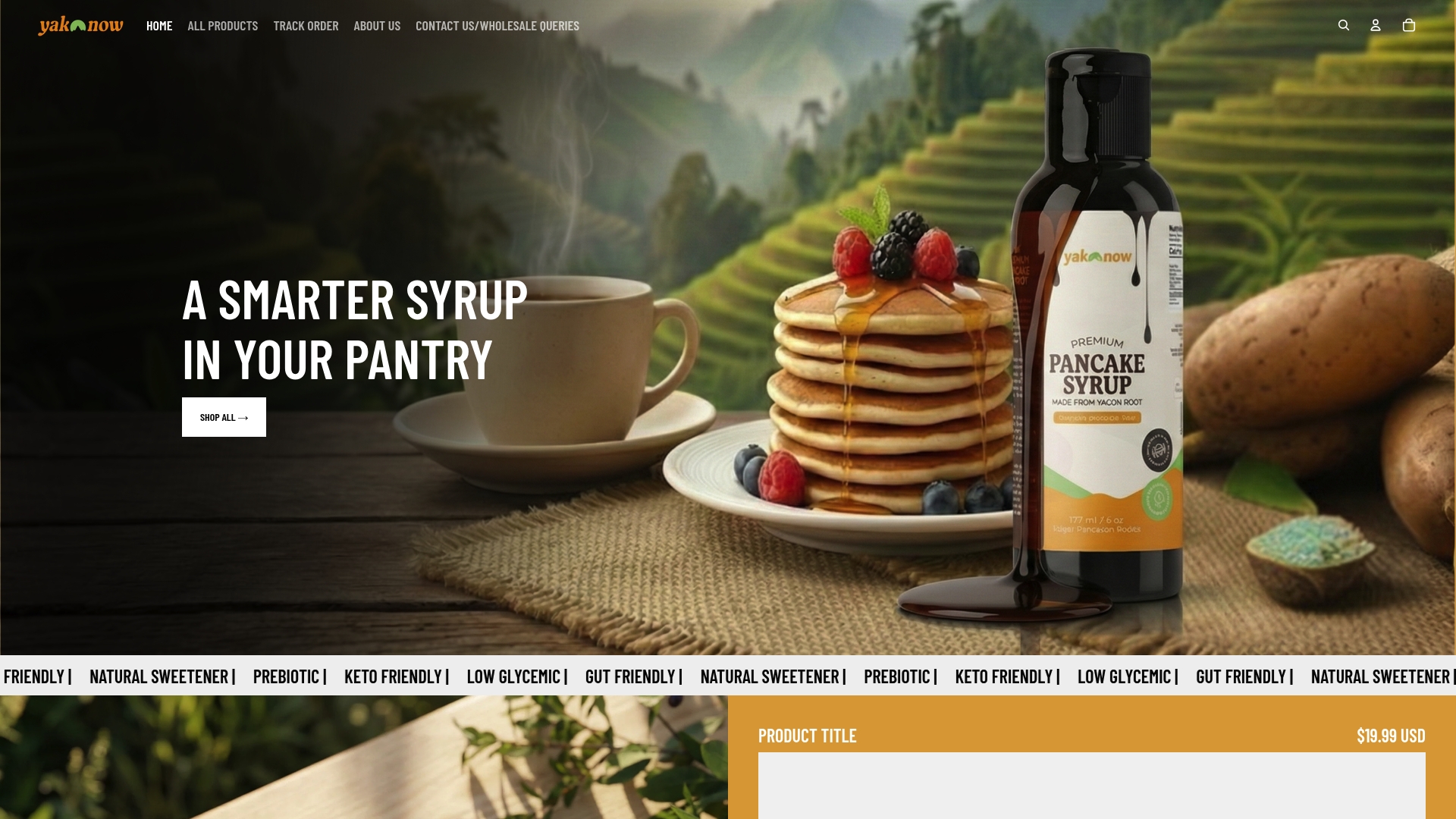
If Sunday mornings are your favorite kind of slow, Yakonow yacon syrup belongs on your table. It is a single-ingredient syrup, hand-sourced from yacon root in Peru and bottled in an FDA-compliant facility in Texas — nothing added, nothing hidden. The squeezable bottle makes it easy for kids to pour themselves, and the mild, naturally sweet flavor works on everything from pancakes to yogurt bowls.
Choose the size that fits your household: a single 6oz bottle to try it first, a 2-pack for regular family mornings, or a 4-pack so you never run out mid-brunch. Visit yakonow.co to order and see the full recipe collection.
Useful sources
- Charentes-Poitou PDO Butter — Lescure Butter: Full explanation of PDO certification rules, geographic boundaries, biological maturation requirements, and INAO oversight for one of France’s most recognized regional butters.
- Isigny Sainte-Mère — Our Butters: Details on Isigny’s coastal terroir, beta-carotene-rich grass, lactic ferment agents, and what makes this PDO butter consistent for pastry use.
- Statista — Leading countries in butter production worldwide 2025/26: Global production data showing scale context for why PDO regional butters represent a small, artisan share of total output.
- Uncle Bob’s Butter Country Cinnamon Bun Syrup — Amazon: Example of “Butter Country” used as a U.S. retail brand name for a flavored syrup — illustrates how the phrase functions as a marketing label outside dairy.
- Yakonow — Home and Product Pages: Primary source for Yakonow product facts, including single-ingredient sourcing, GI claim, FDA-compliant bottling, and family recipe content.
- Brown Butter Toffee Cookies — Dudley’s Toffee: Practical guide to browning butter for cookies and toffees; useful for understanding how butter flavor deepens in sweet family recipes.