

Restore Grainy Yacon Syrup in 10 to 15 Minutes for Home Cooks
Yes, yacon syrup can crystallize, but it is almost always a production or storage quirk, not a spoilage problem, and it is usually reversible. The fix is simple: set the bottle in warm water and give it a gentle swirl until the texture smooths back out. If grit persists after that or the syrup smells off, that is the moment to reach out to the maker rather than keep troubleshooting at home.
TL;DR:
- Crystallization in yacon syrup usually results from production or storage issues rather than spoilage and can typically be reversed with gentle warming.
- Lowering the final concentration below 70° Brix during processing and ensuring microfiltration significantly reduces the likelihood of grit formation.
- Proper storage involves keeping the syrup sealed, out of direct sunlight, and at a steady cool temperature to prevent texture changes caused by temperature fluctuations.
- Warming a sealed bottle in water and gentle stirring can fix most texture issues, but high heat or microwave treatment should be avoided to prevent flavor alteration.
- Crystallization is a normal texture shift that does not indicate spoilage, and trusting sensory cues over assumptions helps determine if the syrup remains safe to consume.
Table of Contents
- What Causes Yacon Syrup to Crystallize?
- How Good Producers Keep the Bottle Smooth
- Storing Yacon Syrup and Fixing Grainy Texture
- Does Crystallization Change How Yacon Syrup Cooks and Bakes?
- What to Expect From a Well-Made Yacon Syrup Like Yakonow
- Why the Grit Isn’t the Story Worth Worrying About
- Bring a Little Andean Warmth to Your Table
- Sources
What Causes Yacon Syrup to Crystallize?
Yacon syrup is concentrated from the juice of the yacon root, and that concentration process is measured in °Brix, a scale that tracks dissolved sugar solids. The higher the °Brix, the more sugar is packed into the liquid, and the more likely some of it is to fall out of solution as tiny crystals once the syrup cools.
Crystallization can start at two different points, and knowing which one you are dealing with actually matters:
- During production. As the juice evaporates down into syrup, sugars and foam can crystallize right in the finishing pans, which is why reputable producers run the pre-syrup and finished product through fine filters before bottling.
- During storage. Temperature swings, long shelf time, or moisture sneaking past the cap can nudge dissolved sugars back into crystal form, even in a syrup that left the factory perfectly smooth.
- From FOS versus simple sugars. Yacon syrup carries a mix of fructooligosaccharides (FOS) and simple sugars, and the simple sugars are the ones most prone to crystallizing when conditions shift.
Manufacturers know this, which is why processing guidance for yacon syrup treats crystal formation as a normal part of evaporation, something to filter out, not something to panic about.
How Good Producers Keep the Bottle Smooth
A well-made syrup should pour clean, not gritty, and that comes down to how carefully it was finished. Producers who care about texture typically rely on microfiltration and vacuum concentration at moderate temperatures, which pulls out stray crystals while keeping the syrup’s natural body intact.
There is a practical ceiling here, too. Keeping the final syrup below roughly 70° Brix during processing meaningfully reduces the risk of re-crystallization once the bottle cools on the shelf. Push past that concentration and you are more likely to see grit form later, no matter how careful the storage.
Pro Tip: A clear, honeycolored syrup with no visible sediment at the bottom of the bottle is your best clue that a producer filtered and finished it properly.
A few label and bottle cues worth checking before you buy:
- Syrup should look glossy and pour in a steady ribbon, not clump or sit thick at the bottom.
- Storage instructions on the label suggest the maker actually thought about shelf stability.
- Gentle processing, done at controlled temperatures, tends to preserve the FOS fiber that gives yacon syrup its character, rather than just cooking off water fast.
Storing Yacon Syrup and Fixing Grainy Texture
Once the bottle is in your kitchen, storage habits matter more than anything that happened at the factory. Keep it sealed, out of direct sunlight, and at a steady cool room temperature unless the label specifically tells you to refrigerate yacon syrup. Repeated trips in and out of the fridge, or a spot near a hot stove, are exactly the kind of temperature swings that encourage texture changes over time.
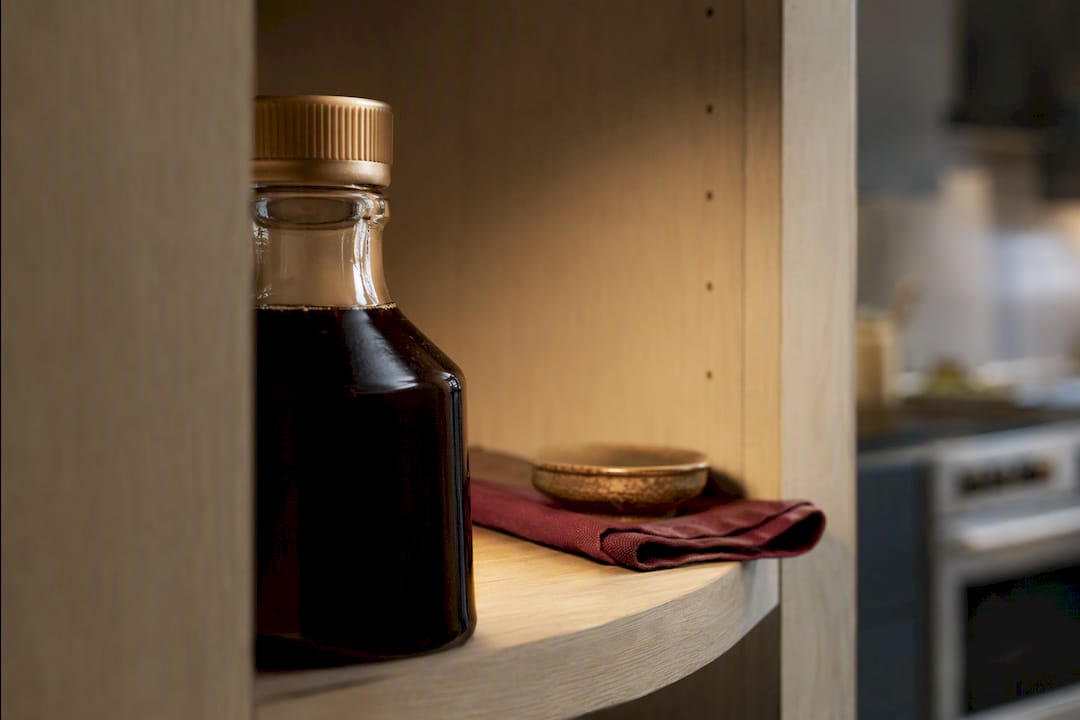
Before you decide the bottle is a lost cause, take a quick look and smell. Harmless crystallization shows up as small grit or a slightly thicker pour. Spoilage smells sour, looks cloudy in a new way, or shows any hint of mold on the cap or surface. Grit alone is a texture issue, not a safety one.
If you do get grit, work through it in order:
- Set the sealed bottle in a bowl of warm water, around 100 to 120°F, for ten to fifteen minutes.
- Turn the bottle upside down a few times or give it a gentle stir once opened, rather than shaking hard.
- Never boil the syrup or microwave it hard to force a fix. High heat can scorch the sugars and change the flavor.
- If a little grit remains, use the syrup in a recipe that gets warmed anyway, like oatmeal or a baked good, instead of trying to serve it cold and clear.
Does Crystallization Change How Yacon Syrup Cooks and Bakes?
Texture changes matter more in some uses than others, and it helps to know where to expect them. In frozen desserts, yacon syrup can behave a little differently after a freeze and full thaw. Repeated freeze thaw cycles are the real culprit for altered viscosity, so it is worth freezing in single portions rather than refreezing the same batch.
In baking, a syrup with mild crystallization still works, but expect a few small shifts:
- You may need to nudge back other liquids slightly, since crystallized syrup can pour a touch thicker.
- Browning tends to be gentler than with maple syrup, so do not expect the same deep caramel color.
- Taste as you go. A full substitution guide for baking walks through exact swap ratios if you are converting a family recipe.
For drizzling over pancakes or fruit, a quick warm in a water bath restores pourability fast. If you bake or cook with it often, weighing the syrup on a kitchen scale gives more consistent results than measuring by volume, since thickness can vary slightly bottle to bottle.
What to Expect From a Well-Made Yacon Syrup Like Yakonow
The syrup comes from yacon root, hand-harvested and bottled with nothing added beyond the syrup itself. That single-ingredient approach, paired with a naturally low glycemic profile and generous prebiotic FOS fiber, is part of why the texture tends to stay smooth and pourable straight off the shelf.
A few things to know if you ever notice grit in a Yakonow bottle:
- A warm water bath and gentle swirl resolves most texture changes within minutes, the same as with any yacon syrup.
- Yakonow’s baking substitution guide and recipe collection cover how the syrup behaves warm versus cold.
- If grit lingers after warming or the bottle looks different from the label’s storage instructions, that is worth flagging directly to the brand rather than guessing.
Why the Grit Isn’t the Story Worth Worrying About
Most of what gets written about crystallization treats it like a technical failure, something to diagnose with a lab manual. That framing misses what home cooks actually need. Crystallization in yacon syrup is closer to what happens when honey turns cloudy in the pantry: an ordinary texture shift, not a warning sign.
The conventional advice tends to overcorrect, pushing people toward refrigeration as a default safety habit. That is often backwards. Cold storage can be exactly what nudges sugars out of solution in the first place, which is why so many producers print room temperature guidance right on the label.
If there is one thing worth prioritizing, it is trusting your senses over your assumptions. Smell it, look at it, warm it if it looks a little cloudy, and get back to cooking. The syrup was never the fragile part of your morning. It is the ritual around it, the table set, the kids waiting for pancakes, that deserves the attention.
— Celeste
Bring a Little Andean Warmth to Your Table
Yakonow gives you one clean swap for maple syrup, honey, or agave: a single-ingredient syrup from Peru that pours smooth, tastes gently sweet, and does not ask you to think twice before drizzling it over Sunday pancakes.
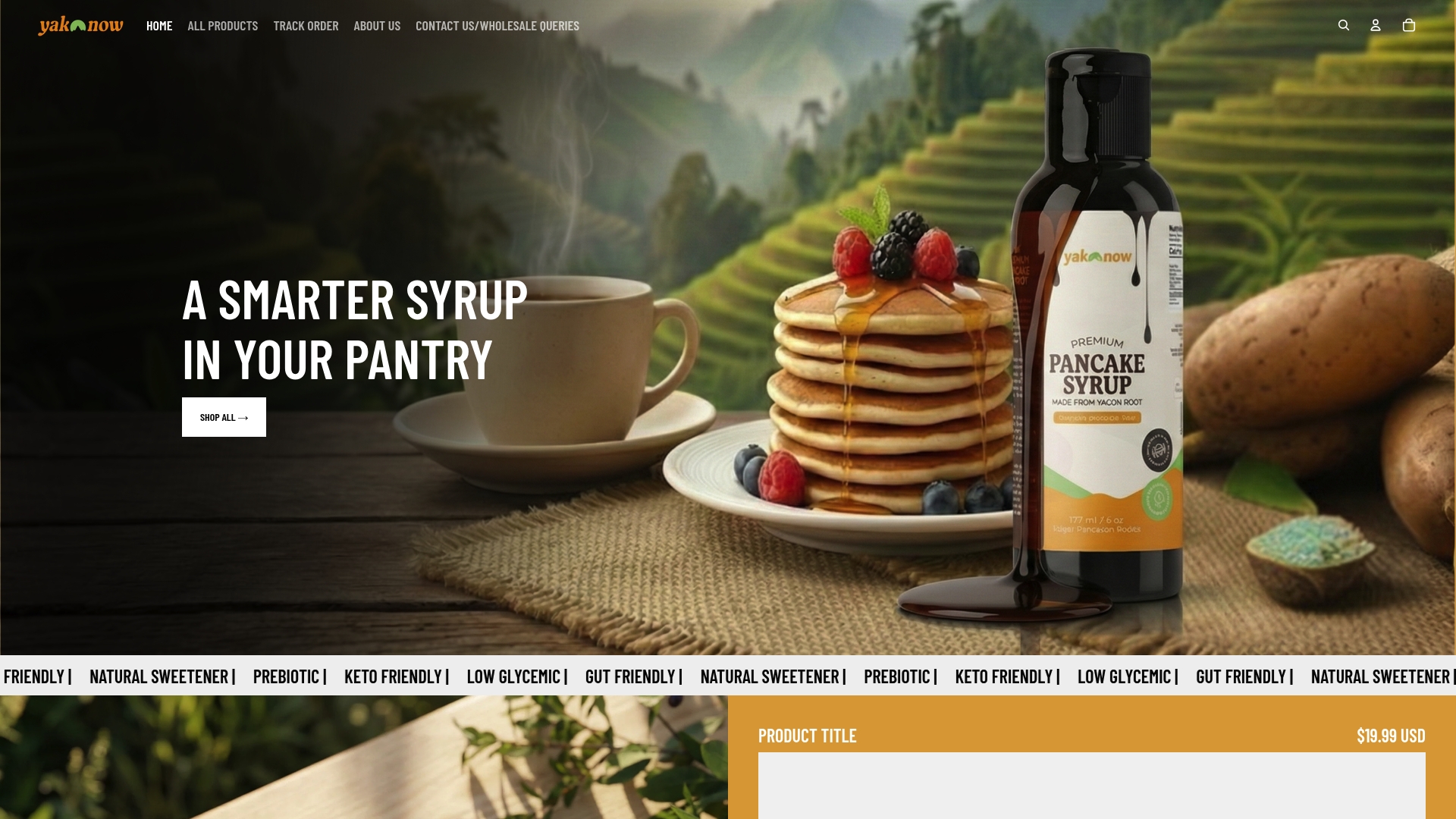
If your family goes through syrup fast, the pack of two 6oz bottles covers busy weekday mornings without a mid-week grocery run. For households that never seem to run out of reasons to gather, the pack of four keeps the pantry stocked through birthdays, weekend brunches, and everything in between. If you are trying it for the first time, the single 6oz bottle is the easy place to start, right alongside a stack of pancakes or a bowl of yogurt and fruit. And if you are looking for a flavor pairing idea while you are at it, this caramelized carrot recipe shows how well a gentle natural sweetener can sit alongside roasted vegetables at the table. Pick a bottle, set the table, and let the syrup do the small, quiet work of pulling everyone to breakfast together.
Sources
- Yacon syrup (processing and quality guidance)
- Impacts of Yacon Syrup (Smallanthus sonchifolius) on Human Health: A Systematic Review
- Yacon syrup digestive benefits guide
- Yacon syrup: production steps and filtration notes