

Gut Microbiome Diet Staples List: 2026 Guide
A gut microbiome diet staples list is built on three food categories: fermented probiotic foods, prebiotic fiber-rich foods, and polyphenol-rich plants. Each category does a different job. Fermented foods deliver live bacteria directly. Prebiotic foods feed the bacteria already living in your gut. Polyphenols selectively strengthen the beneficial strains. According to recent 2026 dietitian summaries, staples like yogurt, kefir, kimchi, garlic, onions, berries, and extra-virgin olive oil form the practical core of any gut-friendly eating plan. This guide breaks each category down so you can build a grocery list that actually works.
1. What are the best fermented foods for gut health?
Fermented foods are the fastest way to introduce live beneficial bacteria into your gut. They contain active microbial cultures that increase microbiome diversity and reduce inflammation markers, according to research on gut nutrition. The key is choosing products that still contain those live cultures when you eat them.
The strongest fermented staples for a gut microbiome diet include:
- Yogurt: Choose plain, full-fat yogurt labeled “live and active cultures.” Avoid flavored varieties with added sugar.
- Kefir: A fermented milk drink with a broader range of bacterial strains than most yogurts. Works well in smoothies.
- Kimchi: A Korean fermented vegetable dish rich in Lactobacillus strains. Adds heat and crunch to rice bowls and eggs.
- Sauerkraut: Fermented cabbage with a tangy flavor. Use it as a condiment on sandwiches or alongside proteins.
- Miso: A fermented soybean paste used in soups and marinades. A small amount goes a long way.
- Tempeh: Fermented whole soybeans pressed into a firm cake. High in protein and easy to slice and pan-fry.
- Kombucha: A fermented tea with live cultures. Check the label for added sugar content before buying.
WebMD confirms all seven of these foods contain live cultures shown to support microbiome diversity. That list covers the full range of fermented staples most people can find at a standard grocery store.
Pro Tip: Refrigerated, traditionally fermented products preserve live cultures far better than shelf-stable or pasteurized versions. Pasteurization kills the bacteria that make these foods valuable. Always buy from the refrigerated section and check for “live and active cultures” on the label.
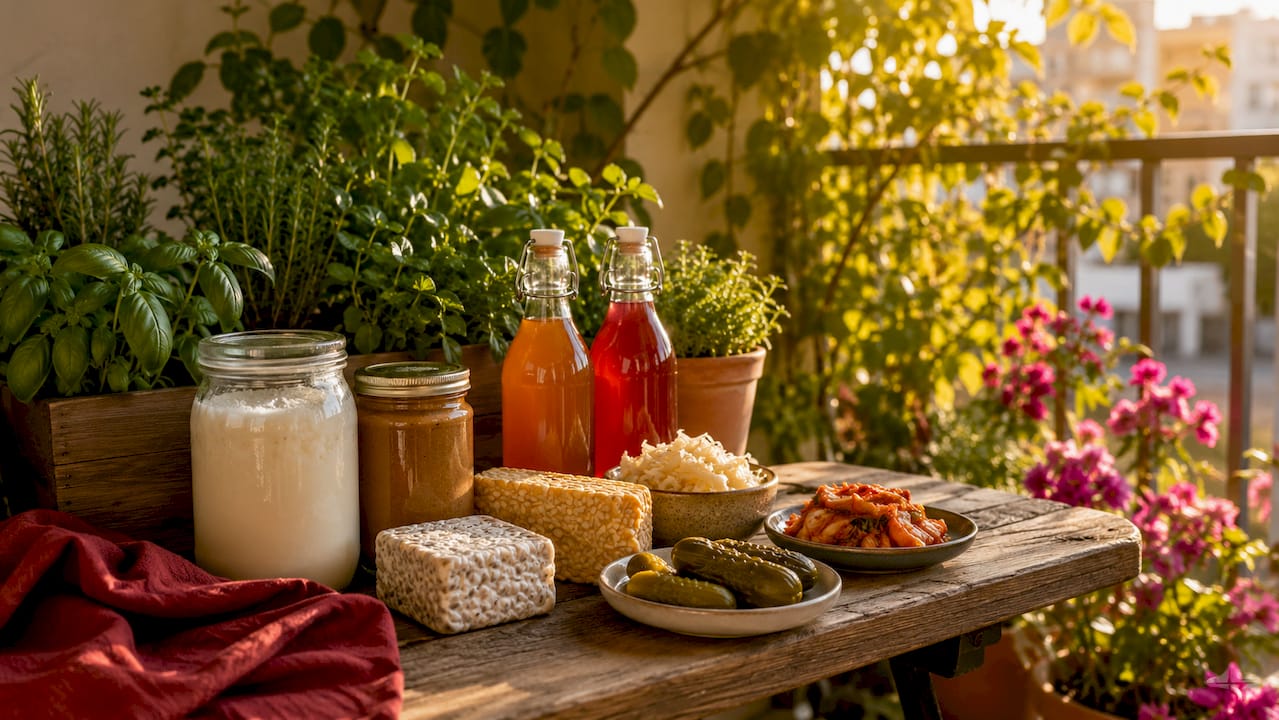
ZOE nutrition science and Prof. Tim Spector recommend small, consistent amounts of probiotic foods daily rather than large occasional servings. That means a spoonful of sauerkraut at lunch and a cup of kefir at breakfast beats a single large serving once a week.
2. Best prebiotic foods for feeding your gut bacteria
Prebiotic fiber is the food your gut bacteria eat. Without it, even the best probiotic foods have limited staying power. Prebiotic fiber ferments in the colon to produce short-chain fatty acids (SCFAs), which protect the gut lining, reduce inflammation, and support immune function.
The main types of prebiotic fiber are inulin, fructo-oligosaccharides (FOS), galacto-oligosaccharides (GOS), and resistant starch. Each feeds slightly different bacterial populations, which is why variety matters.
Top prebiotic staples to keep in your kitchen:
- Garlic and onions: Both are rich in inulin and FOS. Use them as a cooking base for almost any savory dish.
- Leeks: A milder allium with strong prebiotic content. Slice and sauté with olive oil.
- Asparagus: High in inulin. Roast it or add it raw to salads.
- Oats: Contain beta-glucan, a soluble fiber with strong prebiotic effects. Overnight oats are an easy daily habit.
- Bananas: Slightly underripe bananas are higher in resistant starch than fully ripe ones.
- Beans and lentils: Rich in GOS and resistant starch. Among the most cost-effective prebiotic foods available.
Chicory inulin research shows that around 12 grams per day of inulin-type fiber selectively feeds Bifidobacterium strains and supports regular bowel movements. That dose is achievable through a combination of garlic, leeks, and oats across a single day.
Resistant starch deserves special attention. Cooled cooked potatoes contain roughly 10–15% resistant starch, while cooled cooked rice contains around 4%. Cooking and then cooling these starches increases their resistant starch content through a process called retrogradation. Eating potato salad or leftover rice is genuinely better for your gut than eating those foods hot.
Pro Tip: Start with one or two prebiotic foods per day and increase gradually over two to three weeks. Adding too much prebiotic fiber too fast causes bloating and gas. Your gut bacteria need time to adjust.
Dietitians recommend 2–3 different prebiotic sources per day to maintain consistent fermentation. Rotating between garlic, oats, and beans across your meals covers multiple fiber types without requiring a complicated plan.
3. Polyphenol-rich plant foods that strengthen your microbiome
Polyphenols are plant compounds that your gut bacteria convert into active metabolites. They act as a selective fertilizer, feeding beneficial strains while suppressing harmful ones. Polyphenol-rich foods like berries, olive oil, green tea, and dark chocolate specifically increase Bifidobacterium and Akkermansia muciniphila, two bacterial groups strongly linked to gut and metabolic health.
Key polyphenol staples to add to your grocery list:
- Berries: Blueberries, raspberries, and strawberries are among the highest polyphenol fruits. Fresh or frozen both work.
- Extra-virgin olive oil: Contains oleocanthal and hydroxytyrosol, polyphenols with strong anti-inflammatory effects. Use it as your primary cooking fat.
- Green tea: Catechins in green tea feed beneficial bacteria. Two cups per day is a practical target.
- Dark chocolate (85% cacao or higher): The flavanols in high-cacao chocolate support gut diversity. A small square daily is enough.
- Apples: Quercetin and pectin in apples support both polyphenol intake and prebiotic fiber in one food.
The practical advantage of polyphenol foods is that they overlap with other health goals. Extra-virgin olive oil reduces cardiovascular risk. Berries provide antioxidants. Green tea supports focus. You get gut benefits alongside benefits you were probably already chasing.
4. How to build your gut microbiome diet staples list
Building a practical staples list means choosing foods across all three categories and eating them consistently. The table below compares the three categories side by side.
| Category | Example staples | Recommended frequency | Primary benefit |
|---|---|---|---|
| Fermented foods | Yogurt, kefir, kimchi, sauerkraut, miso, tempeh, kombucha | 2–6 servings per day | Delivers live bacteria, increases diversity |
| Prebiotic fiber foods | Garlic, onions, oats, beans, leeks, bananas, asparagus | Daily, 2–3 different sources | Feeds gut bacteria, produces SCFAs |
| Polyphenol-rich plants | Berries, olive oil, green tea, dark chocolate, apples | Daily | Selectively strengthens beneficial strains |
Frequency guidelines from microbiome research suggest eating 10 or more types of vegetables per week, fermented foods multiple times per day, legumes at least 4 servings per week, and whole grains daily. That framework gives you a concrete target without requiring you to track every gram.
The most common mistake people make is chasing single superfoods. Microbiome experts emphasize that balance across all three categories matters more than loading up on any one food. A diet with daily yogurt, garlic-cooked vegetables, and a handful of berries outperforms a diet built around one trendy supplement.
Budget matters too. Beans, oats, garlic, onions, and frozen berries are among the cheapest foods in any grocery store. You do not need expensive supplements or specialty products to build a strong gut microbiome diet. The staples are already in the produce aisle.
Individual responses to fermentable fiber vary significantly. Start with the foods you tolerate well, track how your digestion responds, and add new staples one at a time. That approach produces lasting change without the discomfort that drives people to quit.
Key takeaways
A gut-supporting diet requires consistent daily intake across fermented foods, prebiotic fiber sources, and polyphenol-rich plants, not perfection with any single food.
| Point | Details |
|---|---|
| Three-category framework | Build your list from fermented foods, prebiotic fiber foods, and polyphenol-rich plants. |
| Fermented food selection | Always choose products labeled “live and active cultures” from the refrigerated section. |
| Prebiotic fiber strategy | Eat 2–3 different prebiotic sources daily and increase intake gradually to avoid discomfort. |
| Polyphenol daily habits | Add berries, extra-virgin olive oil, or green tea daily to selectively feed beneficial bacteria. |
| Consistency over quantity | Small, regular servings of probiotic foods outperform large, infrequent doses for microbiome diversity. |
What I have learned from building a gut microbiome diet
The biggest shift for me was stopping the search for one perfect food. I spent months rotating through expensive probiotic supplements before I realized that a spoonful of kimchi at lunch and a cup of kefir in the morning did more for my digestion than any capsule I had tried.
The hardest part is prebiotic fiber, not fermented foods. Most people can add yogurt to breakfast without thinking twice. But consistently eating garlic, leeks, and beans across every week takes actual planning. I anchor my prebiotic intake to two habits: garlic and onion in every savory dish I cook, and oats or beans at least once a day. That covers the base without requiring a complicated system.
Gradual increases matter more than people expect. I added too much inulin too fast early on and spent a week uncomfortable. The research backs this up. Your gut bacteria need time to shift their population before they can efficiently process large amounts of new fiber. Slow is faster in the long run.
The polyphenol category is the easiest win. Switching to extra-virgin olive oil as your main fat and adding frozen blueberries to your morning yogurt costs almost nothing extra and delivers real benefits. Start there if you are overwhelmed by the full list.
— Celeste
Yakonow: a prebiotic staple for your breakfast table
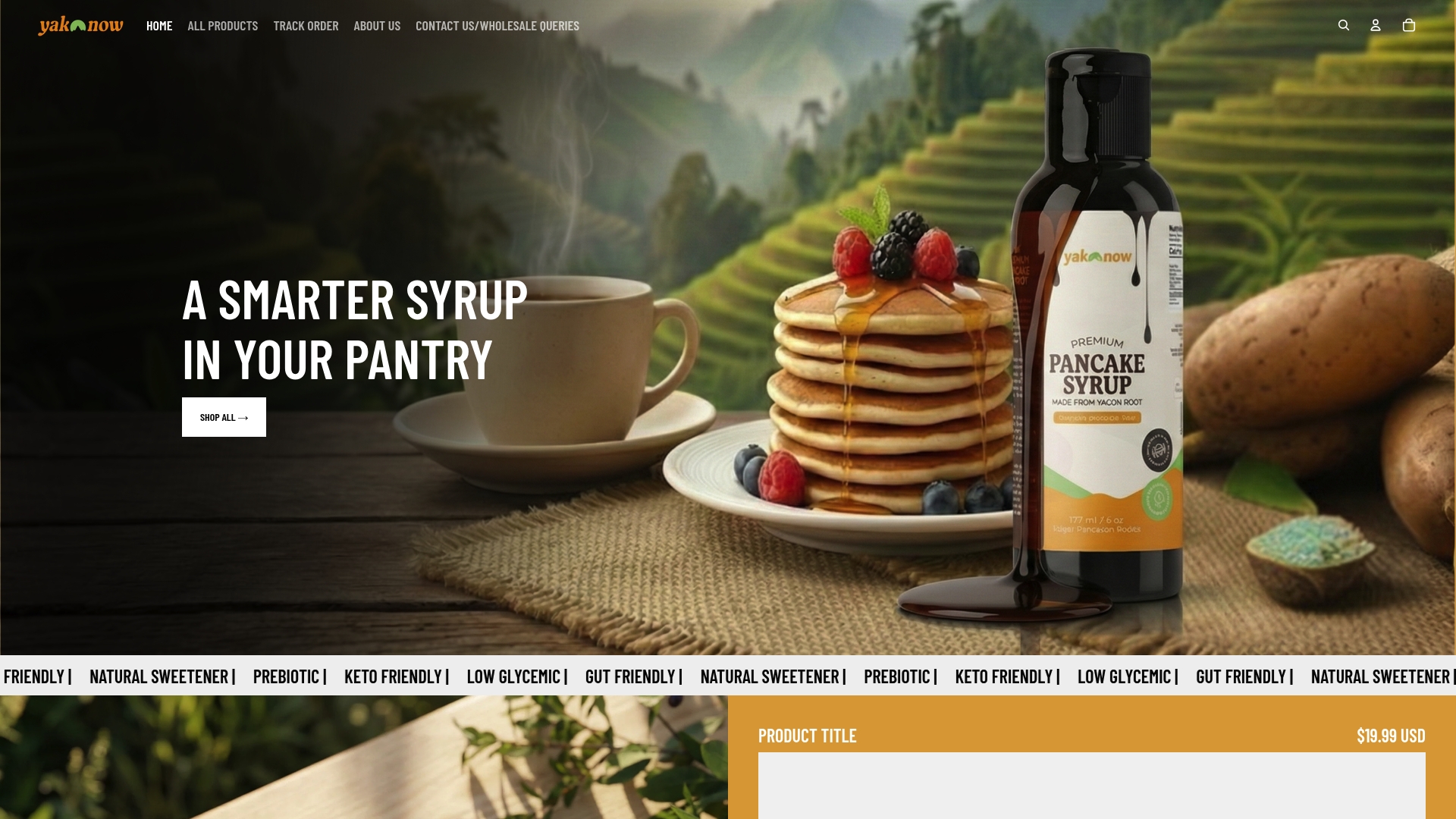
Yacon syrup is one of the most concentrated natural sources of prebiotic FOS fiber available. Yakonow yacon syrup delivers up to 50g of prebiotic FOS fiber per 100g, with a glycemic index of just 1. That makes it a practical daily staple for anyone building a gut-friendly diet without adding sugar or spiking blood glucose. Drizzle it over yogurt, oatmeal, or fresh fruit to add prebiotic fiber to meals you are already eating. Yakonow fits naturally into the fermented and prebiotic categories of your gut microbiome diet.
Pick up a single 6oz bottle to start, or grab a pack of 4 for the whole family. Learn more at Yakonow.
FAQ
What foods are on a gut microbiome diet staples list?
The core staples are fermented foods (yogurt, kefir, kimchi, sauerkraut, miso, tempeh, kombucha), prebiotic fiber foods (garlic, onions, oats, beans, leeks, bananas), and polyphenol-rich plants (berries, extra-virgin olive oil, green tea, dark chocolate). Eating across all three categories daily provides the broadest gut health support.
How often should you eat fermented foods for gut health?
ZOE nutrition science and Prof. Tim Spector recommend small amounts of fermented foods consistently throughout the day rather than one large serving. Aiming for 2–6 servings per day across different fermented foods supports sustained microbiome diversity.
What is the best prebiotic food for gut bacteria?
Garlic, onions, and leeks are among the strongest prebiotic foods because they are rich in inulin and FOS, which selectively feed Bifidobacterium strains. Oats and beans add beta-glucan and resistant starch, covering additional bacterial populations.
How do polyphenols improve gut microbiome health?
Polyphenols in foods like berries, olive oil, and green tea selectively increase beneficial bacteria including Bifidobacterium and Akkermansia muciniphila while reducing harmful strains. They also provide antioxidant and anti-inflammatory benefits alongside their gut effects.
Is yacon syrup a good prebiotic for gut health?
Yacon syrup is a concentrated source of fructo-oligosaccharides (FOS), the same prebiotic fiber found in garlic and onions. Yakonow yacon syrup contains up to 50g of prebiotic FOS per 100g, making it one of the most fiber-dense natural sweeteners available for daily gut health support.