

Family Ready Fudgy Sugar Free Brownies With 1–2 Tbsp Yacon Syrup
The most reliable path to fudgy sugar-free brownies is a melted-chocolate, almond-flour base sweetened with allulose or an allulose-erythritol blend, which browns and holds moisture the way sugar does without leaving a grainy aftertaste. This version works for keto, paleo, and low-glycemic tables alike, and Yakonow can stand in for part of the sweetener when you want a softer, more rounded sweetness. Expect a glossy top, a center that jiggles slightly at 30 to 35 minutes, and eight generous squares from a standard 8x8 pan.
TL;DR:
- Using allulose or a blend with erythritol provides browning and moisture retention comparable to sugar, preventing dryness and graininess in the final brownies.
- Incorporating Yakonow syrup adds a subtle caramel flavor and extra moisture, making sugar-free brownies taste more indulgent without disrupting structure.
- Baking at 325°F and pulling the brownies when the center jiggles slightly ensures a fudgy texture by accounting for eggs providing most structural support.
- Proper dissolution of sweeteners into warm chocolate and chilling the brownies before slicing help avoid common issues like grainy texture and uneven edges.
- Variations for keto, paleo, and low-glycemic diets involve swapping ingredients like almond flour for coconut flour or adding Yakonow to maintain low glycemic profiles and desirable textures.
Table of Contents
- The Ingredient List for Sugar-Free Brownies
- How to Make Brownies Without Sugar, Step by Step
- Why Sugar-Free Brownies Behave Differently
- Keto, Paleo, and Low-Glycemic Variations
- Troubleshooting Common Sugar-Free Brownie Problems
- Storing and Serving Sugar-Free Brownies
- What a Pan of Brownies Really Feeds
- Baking With Yakonow Yacon Syrup
- Sources
- FAQ
The Ingredient List for Sugar-Free Brownies
Good brownies start with the right ratio of fat to structure, and that math doesn’t change just because the sugar disappears. Here’s what goes into a fudgy 8x8 pan, along with the swaps worth knowing before you start measuring.
- 6 ounces unsweetened chocolate, chopped
- about a half cup unsalted butter or neutral oil if you prefer a softer set
- several large eggs, room temperature
- 3/4 cup allulose, or a 50/50 allulose-erythritol powdered blend
- about one cup almond flour, finely ground
- 1/4 cup unsweetened cocoa powder
- half a teaspoon fine sea salt
- a teaspoon vanilla extract
- Optional: a few tablespoons Yakonow yacon syrup, added with the eggs
Sweeteners. Allulose behaves closest to table sugar in browning and moisture retention, which matters more in a flourless-leaning batter than in a cake with plenty of gluten to lean on. Erythritol alone tends to recrystallize as brownies cool, leaving a faint sandiness on the tongue, so most bakers reach for a powdered blend or pair it with allulose to soften that edge, according to CalEyeFit’s testing on fudgy sugar-free brownies. Monk fruit blends work too, though they lean sweeter per spoon, so start with slightly less and taste the batter.
Flour and binders. Almond flour keeps the crumb tender and slightly nutty, and it’s the workhorse for keto and paleo versions alike. Coconut flour absorbs far more liquid, so it is not a one-to-one swap. If you want a fully flourless brownie, lean harder on eggs for structure since they become the load-bearing ingredient once flour drops out of the equation.
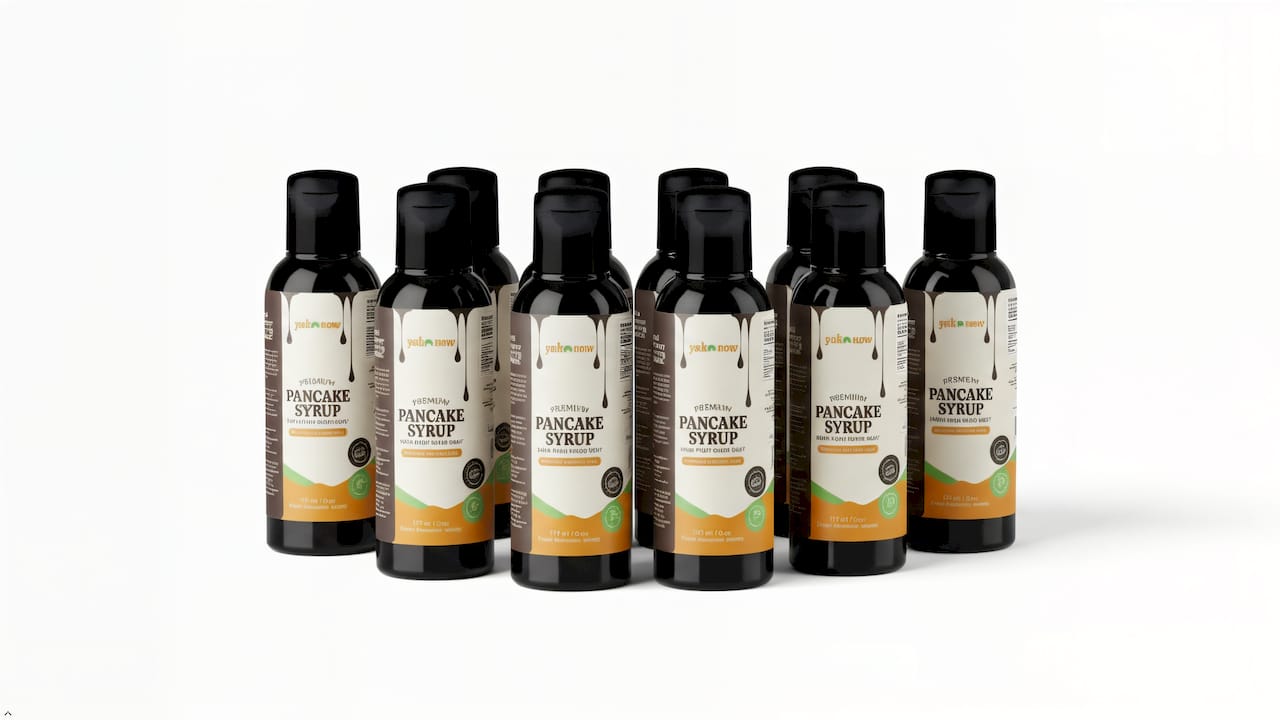
Where Yakonow fits. A tablespoon or two of Yakonow yacon syrup stirred in with the eggs adds a whisper of caramel and a soft fruit note, plus a little extra moisture that many sugar-free batters are missing. It’s a partial swap, not a replacement for the full sweetener amount, but it’s the detail that makes the batch taste less like a substitution and more like the real thing.
How to Make Brownies Without Sugar, Step by Step
This method is built around one idea: sugar-free batters are less forgiving of guesswork than traditional ones, so timing and visual cues matter more than the clock.
- Preheat the oven to 325°F and confirm it with an independent oven thermometer. Even a 15-degree swing changes how quickly a flourless-leaning batter sets.
- Line an 8x8 pan with parchment, leaving overhang on two sides for easy lifting.
- Melt the chocolate and butter together, either in 30-second microwave bursts, stirring between each, or over a double boiler.
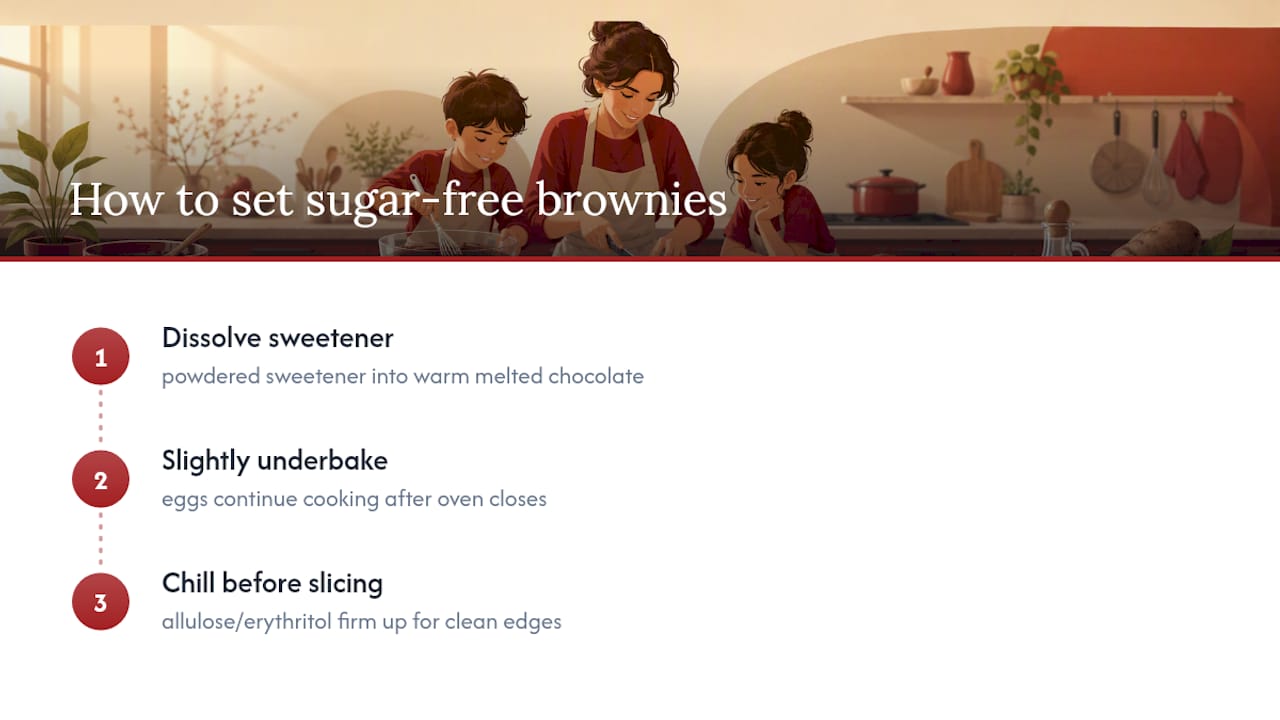
- While the mixture is still warm, whisk in the allulose or sweetener blend until fully dissolved. This step matters more than any other for texture.
- Whisk in the eggs one at a time, then the vanilla and the Yakonow syrup if using.
- Fold in the almond flour, cocoa powder, and salt just until combined. Overmixing toughens the crumb.
- Pour into the pan and smooth the top.
- Bake for about half an hour, checking around the half-hour mark.
- Pull the pan when the center still has a slight jiggle and the edges look set. A toothpick should come out with a few moist crumbs, not wet batter and not perfectly clean.
- Cool completely in the pan, then chill for at least an hour before slicing.
The wobble matters because eggs are doing the structural work that flour usually handles, and flourless batters keep firming up from residual heat even after they leave the oven. Pull too late and you lose the fudge.
Pro Tip: Butter gives a sharper, shinier crackle on top because of its water content, while oil sets softer and may need a little more cooling time before it slices clean.
Why Sugar-Free Brownies Behave Differently
Sugar isn’t just there for sweetness. It dissolves into the egg proteins on top of the batter and sets into that glossy, crackly crust everyone associates with a good brownie, and it holds onto moisture throughout the bake, according to Handle the Heat’s breakdown of sugar’s role. Pull sugar out and you’re not just removing sweetness. You’re removing structure, shine, and a chunk of the moisture retention.
Successful sugar-free baking is less about finding something that tastes sweet and more about finding something that acts the way sugar acts in the pan. That distinction is why some sugar-free brownies turn out cakey or dry no matter how carefully the recipe is followed.
Allulose comes closest to mimicking sugar’s browning and moisture behavior, which is why it shows up in nearly every fudgy sugar-free brownie recipe worth repeating. Erythritol, on its own, tends to recrystallize as the brownies cool, and that’s the mechanism behind the gritty texture bakers complain about. Blending the two, or using a powdered erythritol form dissolved into warm chocolate rather than a granular one, sidesteps most of that problem, a technique confirmed by ZeroInAcademy’s comparison of brownie and cake ingredients.
Three practical rules follow from this. Dissolve any powdered sweetener into warm melted chocolate before it touches eggs or flour. Pull the pan slightly underbaked rather than fully set, since eggs keep cooking after the oven door closes. And chill the pan before slicing. Cold allulose and erythritol both firm up more than sugar does at room temperature, which is exactly what gives you clean, bakery-style edges on the cut.
Keto, Paleo, and Low-Glycemic Variations
Not every sugar-free brownie needs to serve the same diet, and the swaps change depending on what you’re avoiding.
- Keto: Stick with almond flour and lean mostly on allulose, or an allulose and monk fruit blend. Skip granular erythritol unless it’s in powdered form, since the graininess reads as a flaw under keto’s already-narrow flavor margins.
- Paleo: Coconut sugar is the traditional swap here, but it isn’t low glycemic, so it’s a refined-sugar-free choice rather than a blood-sugar-friendly one. A small amount of tapioca or arrowroot starch can help firm up the crumb if the batter feels too loose.
- Low-glycemic and diabetic-friendly: A partial swap using Yakonow alongside allulose keeps the low-glycemic profile of the syrup while allulose still supplies most of the browning and structure a full liquid swap can’t provide on its own. Going all-liquid tends to make the batter dense rather than fudgy.
- Three-ingredient sketch: Chocolate, eggs, and a sweetener alone will bake into something brownie-adjacent, but expect a denser, more custardy result rather than the classic fudgy square, since there’s no flour or fat ratio doing the finer structural work.
Troubleshooting Common Sugar-Free Brownie Problems
Most sugar-free brownie failures trace back to one of three culprits: overbaking, wrong sweetener handling, or oven variance.
- Overbaked, dry brownies happen when the pan sits in the oven until the center looks fully set. Pull it while the middle still jiggles slightly.
- Cakey instead of fudgy texture usually means too much flour or too many eggs relative to fat. Trim the almond flour by a tablespoon or two next time.
- Grainy or sandy crumb almost always comes from granular erythritol that never fully dissolved. Dissolve powdered sweetener into warm chocolate before adding anything else.
- Uneven baking or unreliable timing points to oven temperature drift. An oven thermometer solves this faster than any recipe tweak.
- Dry edges with a good center means the temperature ran a little hot. Drop it 10 degrees and add a few minutes next round.
Pro Tip: If a batch comes out drier than you wanted, chill it fully, then warm each square for 8 to 10 seconds before serving. A soft topping, like whipped cream or a drizzle of syrup, covers the rest.
Storing and Serving Sugar-Free Brownies
These brownies stay fresh for a few days at room temperature in an airtight container, last longer refrigerated, and freeze well if wrapped tightly.
- Chilling isn’t optional if you want clean slices. Allulose and erythritol both firm up considerably once cold, which is what gives you sharp edges instead of a fudgy smear on the knife.
- Thaw frozen brownies overnight in the refrigerator, then let them come to room temperature for the best texture.
- For serving, a dusting of cocoa powder or a warm cup of something rich alongside works well. A Mexican-style chocolate coffee with cinnamon makes an easy pairing for a weekend brunch table.
- If you’re building out a wider dessert spread, these brownies sit comfortably next to other low-sugar dessert ideas for hosting.
What a Pan of Brownies Really Feeds
There’s a particular kind of Sunday where the kitchen smells like melted chocolate before anyone’s fully awake, and someone small is standing on a stool asking if they can lick the spoon. That’s the moment this recipe is actually for. Not a diet plan, not a restriction. A reason to gather around a warm pan and pass out uneven squares.
A dessert that everyone at the table can eat without a second conversation is its own kind of gift. It lets the focus stay where it belongs: on the people, the coffee, the slow unfolding of a morning nobody’s rushing through.
— Celeste
Baking With Yakonow Yacon Syrup
Yakonow is the small swap that lets a family dessert taste indulgent without asking anyone at the table to think about it twice. A tablespoon or two stirred into the egg mixture adds a soft caramel note and a little extra moisture, the kind of detail that makes a sugar-free brownie taste finished rather than adjusted.
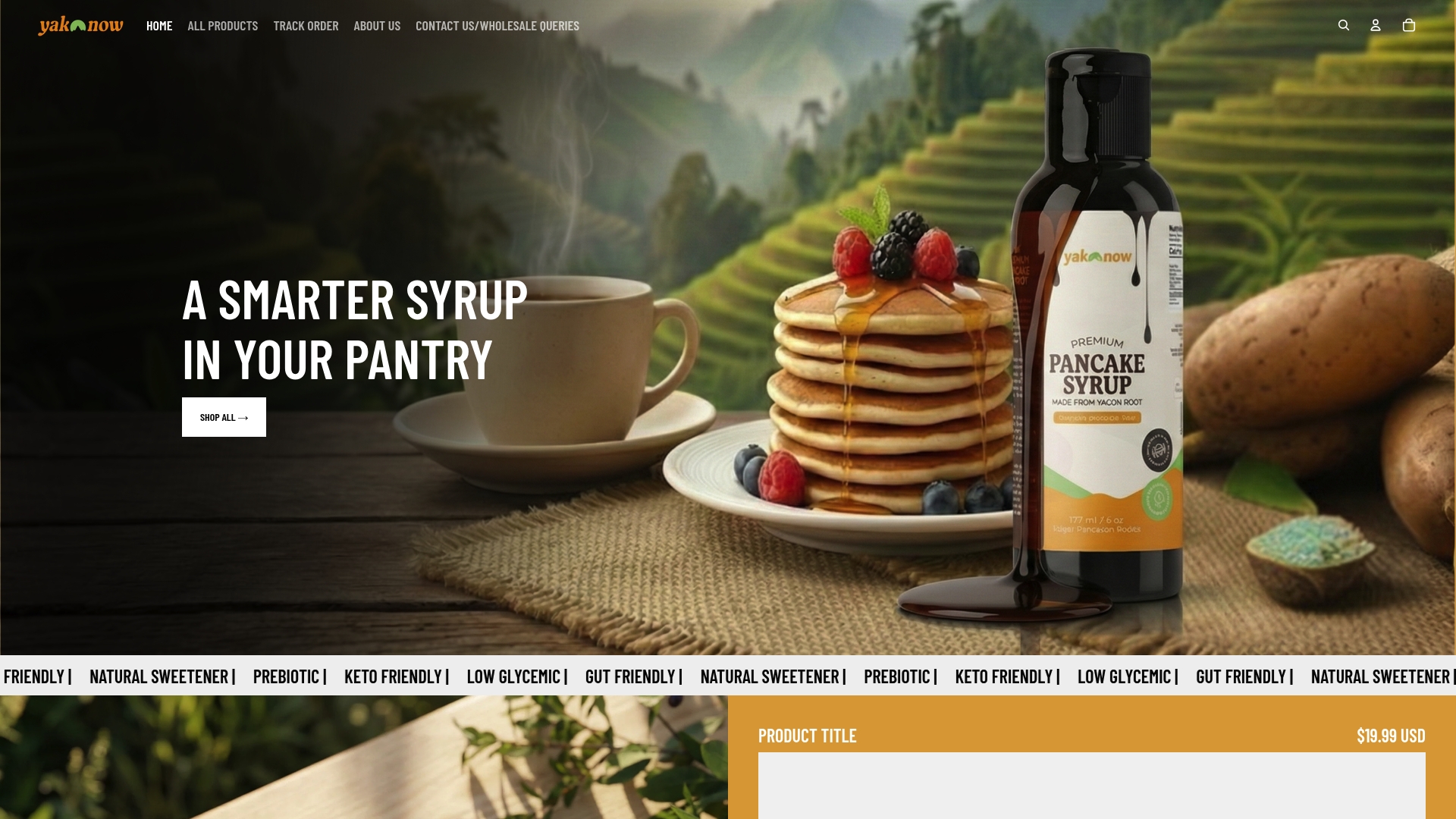
Yakonow comes from yacon root harvested in Peru, bottled in the United States with a single ingredient and no additives, and it carries a naturally low glycemic profile alongside prebiotic fiber, which makes it a gentle fit for a family table that includes keto, diabetic, or simply health-conscious eaters. It won’t replace the full sweetener amount in this recipe on its own, since allulose is still doing most of the structural work, but as a partial swap it rounds out the flavor in a way granular sweeteners alone can’t. For more on the ratios that work, the guide to baking with yacon syrup walks through common substitutions.
If you want to start simple, the single 6oz bottle is enough to test a few batches of brownies, pancakes, and yogurt bowls before committing to more. Families baking often tend to reach for the pack of 4 or the pack of 12 so the bottle never runs dry mid-recipe. Pick a size, add it to your next baking day, and see how it changes the pan.
Sources
- Sugar in brownies — Handle the Heat
- Sugar-Free Brownies Recipe That Stays Fudgy — CalEyeFit
- Brownie vs. cake ingredients — ZeroInAcademy
- Chemistry in the kitchen — Dickinson College blog
FAQ
Is It Possible to Make Brownies Without Sugar?
Yes, and done right they can taste just as fudgy as the traditional version. The key is choosing a sweetener like allulose that mimics sugar’s browning and moisture retention, since that’s what prevents the dry, cakey texture that plagues poorly substituted recipes.
Can Diabetics Have Sugar-Free Brownies?
Diabetics can generally enjoy brownies made with low-glycemic sweeteners like allulose, erythritol, or a partial Yakonow swap, though individual tolerance varies and checking with a doctor about specific sweeteners is always worthwhile. A low-glycemic yacon syrup can be part of that approach when used alongside another structural sweetener rather than as a full replacement.
What Can You Use Instead of Sugar in Brownies?
Allulose is the closest match to sugar’s texture and browning behavior, and it pairs well with a powdered erythritol or monk fruit blend to soften any grittiness. Coconut sugar works for paleo baking but isn’t low glycemic, and a small amount of Yakonow syrup can round out flavor without taking over the recipe’s structure.
What Are the Ingredients for 3-Ingredient Sugar-Free Brownies?
A basic version uses melted chocolate, eggs, and a sweetener like allulose, with no added flour or leavening. The texture leans denser and more custardy than a classic fudgy brownie, since flour and fat ratios do a lot of the structural work that a three-ingredient version skips.