

How to Stay in Ketosis at Breakfast: Simple Daily Wins
A ketosis-friendly breakfast balances low net carbs with ample protein and healthy fats to keep you full and energized through the morning. Knowing how to stay in ketosis at breakfast is the single most reliable way to protect your daily carb budget before the day gets busy. The right plate sets a calm, steady tone: no mid-morning crashes, no frantic snack searches, just a satisfying start that carries you forward. Think of it less as a diet rule and more as a quiet act of care for yourself and your family.
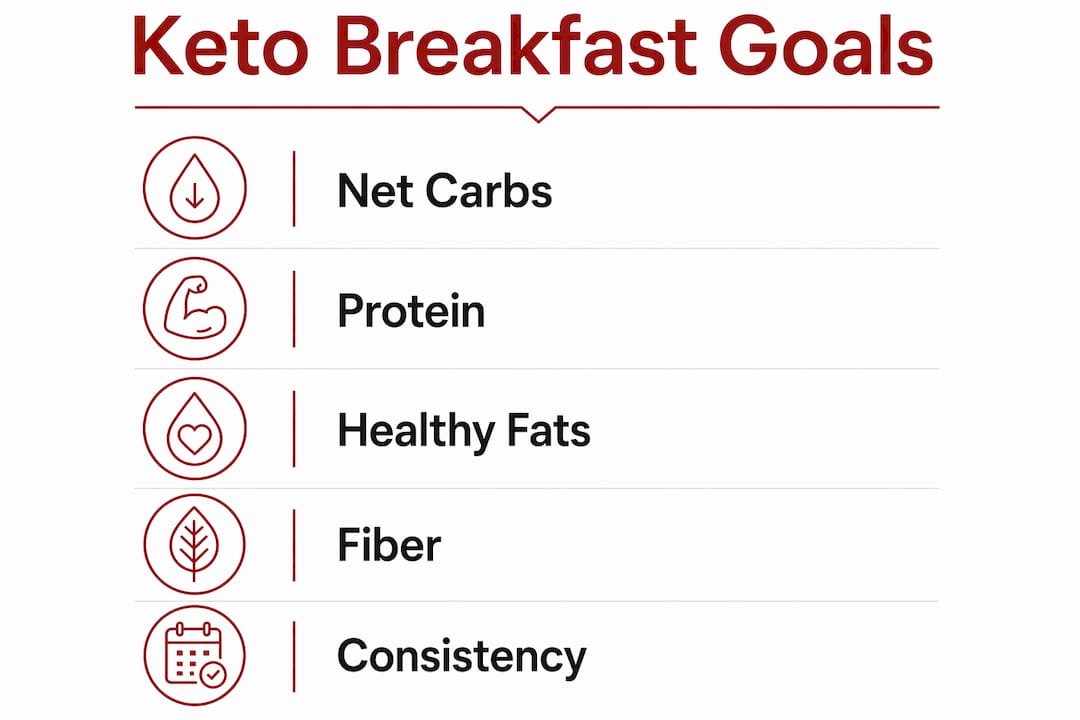
How to stay in ketosis at breakfast: the macro foundation
A ketosis-supporting breakfast targets 5–15g of net carbs, which protects your daily carb budget without exhausting it before noon. Daily net carb targets on a ketogenic diet typically fall between 20g and 50g total, so breakfast sets the tone for everything that follows.
Protein is the real anchor of a keto morning. A breakfast with 25–35g of protein stabilizes appetite and supports muscle, while meals under 10g of protein often lead to hunger well before lunch. That gap matters more than most people realize.

Healthy fats provide steady energy without the blood sugar swings that refined carbs create. Think avocado, full-fat cheese, eggs cooked in butter, or a drizzle of something special. Fats slow digestion and keep you comfortable through a busy morning.
Fiber rounds out the picture. Replacing refined carbs with protein and fiber improves blood sugar control and increases fullness. Aiming for around 28g of fiber daily on a 2,000-calorie diet amplifies these benefits through better insulin sensitivity.
| Macro | Breakfast target | Why it matters |
|---|---|---|
| Net carbs | 5–15g | Preserves daily carb budget |
| Protein | 25–35g | Prevents mid-morning hunger |
| Healthy fats | 20–35g | Provides steady, sustained energy |
| Fiber | 5–10g | Supports digestion and blood sugar |
Pro Tip: Prioritize hitting your protein target before worrying about fat quantity. Low protein, not low fat, is the most common reason for early hunger on a keto morning.
What foods actually keep you in ketosis at breakfast?
The best ketosis-friendly breakfast foods are whole, minimally processed, and naturally low in sugar. Eggs are the undisputed anchor: versatile, protein-rich, and easy to prepare in dozens of ways. Pair them with avocado for healthy fat and a handful of spinach or mushrooms for fiber and micronutrients without meaningfully raising net carbs.
High-fat cheeses like cheddar, brie, or goat cheese add richness and protein. Quality breakfast meats, such as uncured bacon, turkey sausage, or smoked salmon, bring both flavor and satiety. These are not just convenient. They are genuinely filling in a way that a bowl of cereal never is.
Berries deserve a place at the keto table, used with intention. Raspberries and blackberries are the lowest in net carbs among common fruits, and a small handful adds natural sweetness and antioxidants without tipping your carb count. Full-fat Greek yogurt works well for those who tolerate dairy, offering probiotics alongside a solid protein contribution.
Top ketosis-friendly breakfast foods to keep stocked:
- Eggs (any style)
- Avocado
- Spinach, arugula, and mushrooms
- Full-fat cheeses (cheddar, brie, feta)
- Uncured bacon and quality breakfast sausage
- Smoked salmon
- Raspberries and blackberries (small portions)
- Full-fat Greek yogurt
- Nuts and nut butters (almond, macadamia)
- Coconut oil and grass-fed butter for cooking
Building a plate under 15g net carbs is straightforward once you know your ingredients. Two eggs scrambled with spinach and feta, half an avocado on the side, and a small handful of raspberries lands comfortably within range and feels genuinely satisfying.
Pro Tip: Prep keto egg muffins or a breakfast casserole on Sunday. Portion them into individual servings and refrigerate. On busy mornings, you have a macro-controlled breakfast ready in two minutes.
How can you maintain ketosis during weekend brunches?
Weekend brunch is one of the great pleasures of slow family mornings, and it does not have to derail your ketosis goals. The key is preparation, not restriction. Pre-eating a high-protein, high-fat snack before you arrive at a restaurant or family gathering reduces hunger-driven carb cravings significantly. A hard-boiled egg with a few slices of avocado, or a small handful of macadamia nuts, takes two minutes and changes the entire dynamic of the meal.
Most restaurants accommodate keto modifications without hesitation. Swapping toast for a side salad, asking for extra greens instead of hash browns, or requesting heavy cream in your coffee instead of flavored creamer are all easy, low-friction asks. Checking the menu online before you go makes ordering feel effortless rather than awkward.
Drinks deserve attention too. Mimosas, flavored lattes, and juice-based cocktails carry hidden sugars that add up fast. Sparkling water with lemon, black coffee, or unsweetened tea keeps the social ritual intact without the carb cost.
Mindful flexibility at family gatherings supports long-term adherence far better than rigid restriction. The goal is to enjoy the moment, not audit every plate.
Steps to navigate a keto-friendly weekend brunch:
- Eat a small protein-fat snack at home before you leave.
- Check the restaurant menu online and identify two or three safe options in advance.
- Order eggs, omelets, smoked salmon, or avocado-based dishes as your anchor.
- Request modifications confidently: swap starchy sides for greens or salad.
- Choose unsweetened drinks and skip sugary mixers entirely.
- If you do eat more carbs than planned, return to your base keto meals the next morning without guilt.
For those who follow a cyclical ketogenic approach, gradual carb refeeding with controlled increases of 50–75g minimizes metabolic stress far better than abrupt carb loading. A planned, measured approach makes returning to ketosis smoother and avoids the digestive discomfort that often follows an unplanned splurge.
How to build a keto breakfast routine that lasts
Consistency is the quiet engine behind long-term ketosis. Keeping a stable base breakfast for several days in a row, such as eggs with avocado and a side of greens, reduces what nutritionists call “data noise.” You can actually observe how your body responds to specific ingredients when you are not changing everything at once.
Adjust one element at a time. Swap cheddar for feta. Add mushrooms one week, try smoked salmon the next. This method makes it easy to identify which ingredients support your energy and digestion and which ones cause bloating or cravings. It also removes the mental load of planning from scratch every morning.
Prebiotic fiber in keto breakfasts supports gut microbiome health, which contributes to digestion and inflammation control. Both of those factors indirectly support ketosis over time. Ingredients like yacon root, spinach, and asparagus bring prebiotic benefits without adding meaningful net carbs.
Easy-repeat breakfast combinations worth building into your week:
- Scrambled eggs with spinach, feta, and half an avocado
- Smoked salmon with full-fat cream cheese on cucumber rounds
- Greek yogurt with raspberries, a tablespoon of almond butter, and a drizzle of yacon syrup
- Egg muffins with bacon, cheddar, and mushrooms (batch-prepped)
- Chia pudding made with unsweetened coconut milk, topped with blackberries
Reading nutrition labels carefully helps you catch hidden sugars in packaged breakfast items like flavored yogurts, nut butters, and sausages. Many products marketed as “low carb” still carry enough added sugar to push you over your morning limit.
Pro Tip: Track your hunger level at 10:00 AM for one week. If you are consistently hungry before lunch, increase your breakfast protein by 5–10g and observe the difference. Hunger is the most honest feedback your body gives you.
Key Takeaways
A ketosis-friendly breakfast built around 5–15g net carbs and 25–35g of protein is the most reliable way to maintain ketosis and stay full through the morning.
| Point | Details |
|---|---|
| Net carb target | Keep breakfast to 5–15g net carbs to protect your daily budget. |
| Protein is the priority | Aim for 25–35g of protein to prevent mid-morning hunger and cravings. |
| Pre-eat before brunches | A small protein-fat snack before social meals reduces impulsive carb choices. |
| Build a repeatable routine | Stick to one base breakfast for several days to identify what works for your body. |
| Fiber supports the long game | Prebiotic fiber-rich ingredients support gut health and make ketosis more sustainable. |
Slow mornings and the table we come back to
I have been making keto breakfasts long enough to know that the ones I actually keep making are not the most elaborate. They are the ones that feel good to put on the table. A warm plate of eggs, something green, a little richness from cheese or avocado, and something that makes the whole thing feel like a choice rather than a compromise.
The detail that changed my mornings most was finding a sweetener that did not feel like a consolation prize. Drizzling something genuinely good over yogurt or a small stack of almond flour pancakes on a Saturday morning makes the whole ritual feel worth slowing down for. That is what I want for my family: not a perfect macro split, but a table worth sitting at.
Ketosis does not require austerity. It requires intention. And intention, practiced over enough slow mornings, becomes the kind of habit that feels less like discipline and more like love.
— Celeste
A sweeter morning, without the compromise
The right syrup changes everything about a keto breakfast table.

Yakonow yacon syrup is hand-harvested from yacon root in the Andes of Peru and bottled in an FDA-compliant facility in Texas. It carries a glycemic index of just 1, compared to 54 for maple syrup, and contains up to 50g of prebiotic FOS fiber per 100g with zero added sugar. Drizzled over Greek yogurt, almond flour pancakes, or fresh berries, it brings genuine sweetness to a keto-friendly family breakfast without nudging you out of ketosis. For mornings that deserve a little something special, Yakonow yacon syrup is the detail that makes the table feel complete.
FAQ
What is the ideal net carb range for a keto breakfast?
A keto breakfast should contain 5–15g of net carbs to avoid exhausting your daily budget early. Daily ketogenic targets typically fall between 20g and 50g total net carbs.
How much protein should a keto breakfast include?
25–35g of protein at breakfast stabilizes appetite and supports muscle maintenance while in ketosis. Meals under 10g of protein frequently cause hunger well before lunch.
Can you maintain ketosis at a restaurant brunch?
Yes. Most restaurants accommodate simple modifications like swapping toast for salad or requesting heavy cream in coffee. Checking the menu in advance makes ordering straightforward and stress-free.
Is yacon syrup keto-friendly?
Yakonow yacon syrup has a glycemic index of 1 and contains prebiotic FOS fiber, which the body does not metabolize as glucose. It adds natural sweetness to keto breakfasts without meaningfully raising blood sugar or net carb intake.
What is the easiest keto breakfast for busy mornings?
Batch-prepped egg muffins with cheese, bacon, and vegetables are the most practical option. They take under 30 minutes to make on Sunday and provide a macro-controlled, reheatable breakfast for the entire week.