

Clean Label Pantry Staples 2026: A Family Guide
Clean label pantry staples are foods with simple, transparent ingredients that support family wellness and trustworthy nutrition. The term “clean label” has no legal definition in the US as of mid-2026. The FDA offers informal guidance on “natural” claims but lacks the enforcement power of organic certification. That gap matters for families who want to shop with confidence. The good news is that a few practical skills make it possible to fill your pantry with foods that are genuinely simple, honestly sourced, and worth gathering around.
1. How to spot genuine clean label pantry staples
Reading a food label well is the single most useful skill for building healthy pantry basics in 2026. A 3-step validation framework helps: first, define the product’s purpose; second, check whether the nutrition profile matches that purpose; third, verify that front-of-pack claims hold up against the ingredient list. Most families skip step three, and that is where marketing language does its quiet work.
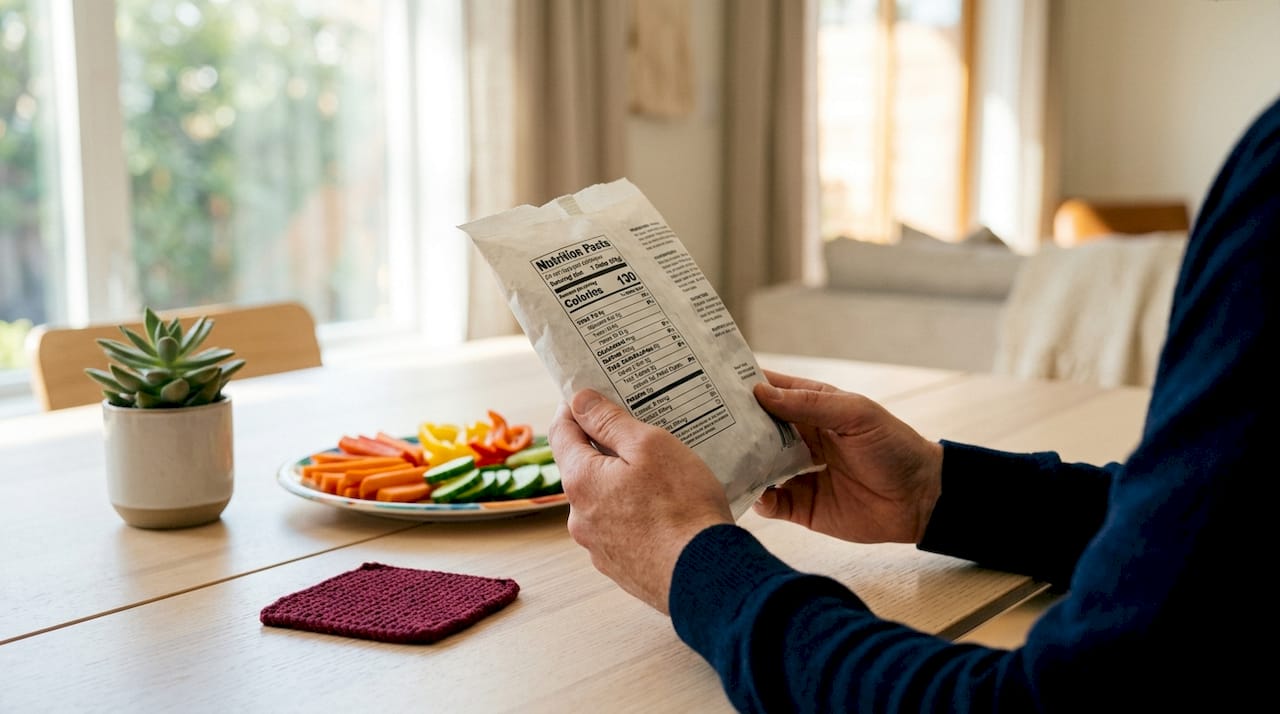
The first five ingredients tell you the most. They represent the majority of what you are actually eating. If the first ingredient in a “whole grain” cracker is enriched flour, the front-of-pack claim is technically true but practically misleading.
Watch for these common label traps:
- “Natural flavors” can cover a wide range of lab-derived compounds.
- “Made with real fruit” often means a small percentage of fruit concentrate.
- “No artificial preservatives” says nothing about sugar, sodium, or refined oils.
- “Lightly sweetened” has no regulated meaning.
Pro Tip: Check the Nutrition Facts panel for total added sugars rather than scanning ingredient names. Sugar aliases like fruit juice concentrate, molasses, and nectar appear in clean-labeled products but carry the same metabolic impact as table sugar.
2. What are the top clean food pantry essentials for families?
The best clean label pantry staples are whole or minimally processed foods with short, recognizable ingredient lists. Basics like dried beans and plain grains consistently have simple, reliable profiles with minimal additive concerns. They are also among the most affordable items in any grocery store, which matters when you are feeding a family every day.
Here are the staples worth keeping stocked:
- Dried or canned beans (black, pinto, chickpeas): one or two ingredients, high fiber, and endlessly versatile. Look for canned versions with no added salt or just water and salt.
- Whole grains (rolled oats, brown rice, farro, quinoa): sold as single ingredients with no additives. Oats in particular are a reliable breakfast anchor.
- Canned whole tomatoes: the ingredient list should read tomatoes, tomato juice, and possibly citric acid. Nothing more is needed.
- Extra virgin olive oil: cold-pressed, single-origin options carry the most transparent sourcing. The label should list one ingredient.
- Raw nuts and seeds: almonds, walnuts, pumpkin seeds, and sunflower seeds sold without coatings or flavoring agents.
- Plain nut butters: peanut or almond butter with one ingredient. The oil separation is a sign of quality, not a flaw.
- Low-glycemic natural sweeteners: Yakonow yacon syrup is a single-ingredient sweetener hand-harvested from yacon root in Peru, with a glycemic index of just 1 and up to 50g of prebiotic FOS fiber per 100g. It contains zero added sugar, no colorants, and no artificial sweeteners, making it a genuinely clean swap for the syrup bottle on your breakfast table.
- Dried herbs and spices: single-ingredient jars with no anti-caking agents or fillers.
- Apple cider vinegar: raw, unfiltered versions with the mother intact carry the simplest profiles.
- Coconut aminos: a lower-sodium soy sauce alternative with a short, readable ingredient list.
A shorter ingredient list is not always a guarantee of quality. Culinary function matters. A good sourdough bread may list five ingredients and still be far cleaner than a two-ingredient product built on refined starches. Read with context, not just count.
3. How to organize and maintain a clean label pantry
Pantry organization tips for 2026 start with one honest question: which processed items does your family reach for most often? Focusing clean label scrutiny on high-consumption items like cereals, salad dressings, snack bars, and sauces delivers the greatest dietary impact per dollar spent. Whole foods like dried beans and oats rarely need scrutiny. The packaged items do.
A gradual refresh works better than a full pantry overhaul. Replacing everything at once leads to overspending and burnout. Instead, follow this sequence:
- Audit what you use most. Pull out the five packaged items your family consumes every week. Start there.
- Replace one item per grocery run. Swap the bottled salad dressing for olive oil and lemon. Swap the flavored oatmeal packets for plain rolled oats with fruit.
- Rotate seasonal whole foods. Summer stone fruits, winter squash, and spring greens add variety without requiring new pantry infrastructure.
- Store grains and legumes in glass jars. Clear containers make it easy to see what you have and reduce food waste.
- Label everything with the purchase date. Oils go rancid. Nuts lose freshness. A simple date label prevents waste and keeps quality high.
Pro Tip: Reserve your premium budget for the frequently purchased processed staples where ingredient quality varies most. Whole foods like plain oats and dried lentils are clean by nature and rarely worth paying a premium for.
The slow-living approach to pantry care is not about perfection. It is about building a kitchen that feels calm, stocked with things you trust, and ready for the kind of slow Saturday morning that everyone remembers.
4. What are smart clean label swaps for additive-heavy pantry items?
Replacing emulsifiers, stabilizers, colors, and preservatives at home is more practical than most families realize. Common pantry ingredients already do the work that additives perform in packaged foods. The key is knowing which ingredient serves which function.
Here are the most useful swaps:
- Emulsifiers (lecithin, mono and diglycerides): replace with eggs, mustard, or plain yogurt. A tablespoon of Dijon mustard emulsifies a vinaigrette as well as any commercial stabilizer.
- Stabilizers (xanthan gum, carrageenan): replace with pureed potato, cooked oats, or vegetable purees. These add body to soups and sauces without additives.
- Artificial colors: replace with turmeric for gold, beet powder for pink, and spinach for green. The colors are vivid and the ingredients are single-word.
- Chemical preservatives (sodium benzoate, potassium sorbate): replace with citrus juice, vinegar, and salt. These have preserved food for centuries without a chemistry degree.
- Packaged snack bars: replace with a handful of raw nuts, a piece of fruit, and a drizzle of Yakonow yacon syrup over plain yogurt. The result is more satisfying and genuinely clean.
Additives are not inherently harmful. Their function and necessity in a specific product matter more than their presence alone. A product with a longer ingredient list can still be clean if every additive serves a clear culinary purpose and nothing is there just to extend shelf life or mask poor quality.
Pro Tip: Make a simple homemade salad dressing once a week: olive oil, lemon juice, Dijon mustard, and a pinch of salt. It replaces a bottled product that often contains six or more additives, and it takes two minutes.
5. Why supply-chain transparency is the new clean label standard
The clean label conversation in 2026 has moved beyond ingredient lists. Supply-chain transparency and ingredient integrity now define what consumers consider genuinely clean. Families want to know where an ingredient was grown, how it was processed, and whether the brand can verify those claims. A short ingredient list from an opaque supply chain is not the same as a short ingredient list from a verified, traceable source.
This shift changes how you evaluate pantry staples. A can of tomatoes from a brand that publishes its farm partnerships carries more credibility than one that simply omits additives. An oat brand that discloses its sourcing region and testing protocols offers more than one that just says “whole grain oats.” The question to ask is not only “what is in this?” but also “where did it come from and how do I know?”
Yakonow yacon syrup is a useful example of this standard in practice. It is hand-harvested from yacon root in Peru, bottled in an FDA-compliant facility in Texas, and sold as a single ingredient with no added sugar, no colorants, and no artificial sweeteners. The sourcing is specific, the process is traceable, and the ingredient list is one word: yacon syrup. That is what supply-chain transparency looks like on a pantry shelf.
For families building gut-healthy pantry staples, this level of sourcing clarity is worth seeking out, especially for items used daily.
Key Takeaways
The most reliable clean label pantry staples combine a short, recognizable ingredient list with verified sourcing and a nutrition profile that matches the product’s stated purpose.
| Point | Details |
|---|---|
| No legal definition exists | “Clean label” is a marketing term; use the 3-step validation framework to evaluate claims yourself. |
| First five ingredients matter most | They represent the majority of product composition and reveal true quality faster than front-of-pack claims. |
| Check total added sugars | Sugar aliases like fruit juice concentrate carry the same metabolic impact as table sugar. |
| Prioritize high-use processed items | Focus clean label scrutiny on cereals, dressings, and snack bars for the greatest dietary impact. |
| Sourcing transparency is the new standard | A traceable, verified supply chain now matters as much as a short ingredient list. |
The pantry as a place to slow down
By Celeste
What I have noticed, after years of reading labels and rethinking what belongs in my kitchen, is that the families who build the most nourishing pantries are not the ones who overhaul everything at once. They are the ones who make one quiet, considered swap at a time. A jar of plain almond butter instead of the flavored kind. A bottle of Yakonow yacon syrup instead of the corn syrup blend that has been in the cabinet for years. These are small decisions, but they accumulate into a pantry that feels honest.
The thing that surprised me most about the clean label conversation in 2026 is how much it has shifted toward sourcing. Families are not just asking “what is in this?” anymore. They are asking “where did it come from?” That is a more meaningful question, and it changes the way you shop. You start to care about the brand’s story, not just its ingredient list.
What I find most grounding about this approach is that it connects food back to the table. When you know where your sweetener was harvested, or which farm grew your tomatoes, the meal feels like it carries something. Not a lecture, just a quiet sense of care. That is what I want at my table: food that someone thought about, and a morning slow enough to notice.
— Celeste
A naturally sweet addition to your clean pantry
If you are building a pantry that your family can trust, the sweetener shelf deserves the same attention as everything else. Yakonow yacon syrup is a single-ingredient, naturally sweet syrup hand-harvested from yacon root in the Andes of Peru. It carries a glycemic index of just 1 and up to 50g of prebiotic FOS fiber per 100g, with zero added sugar and nothing artificial.
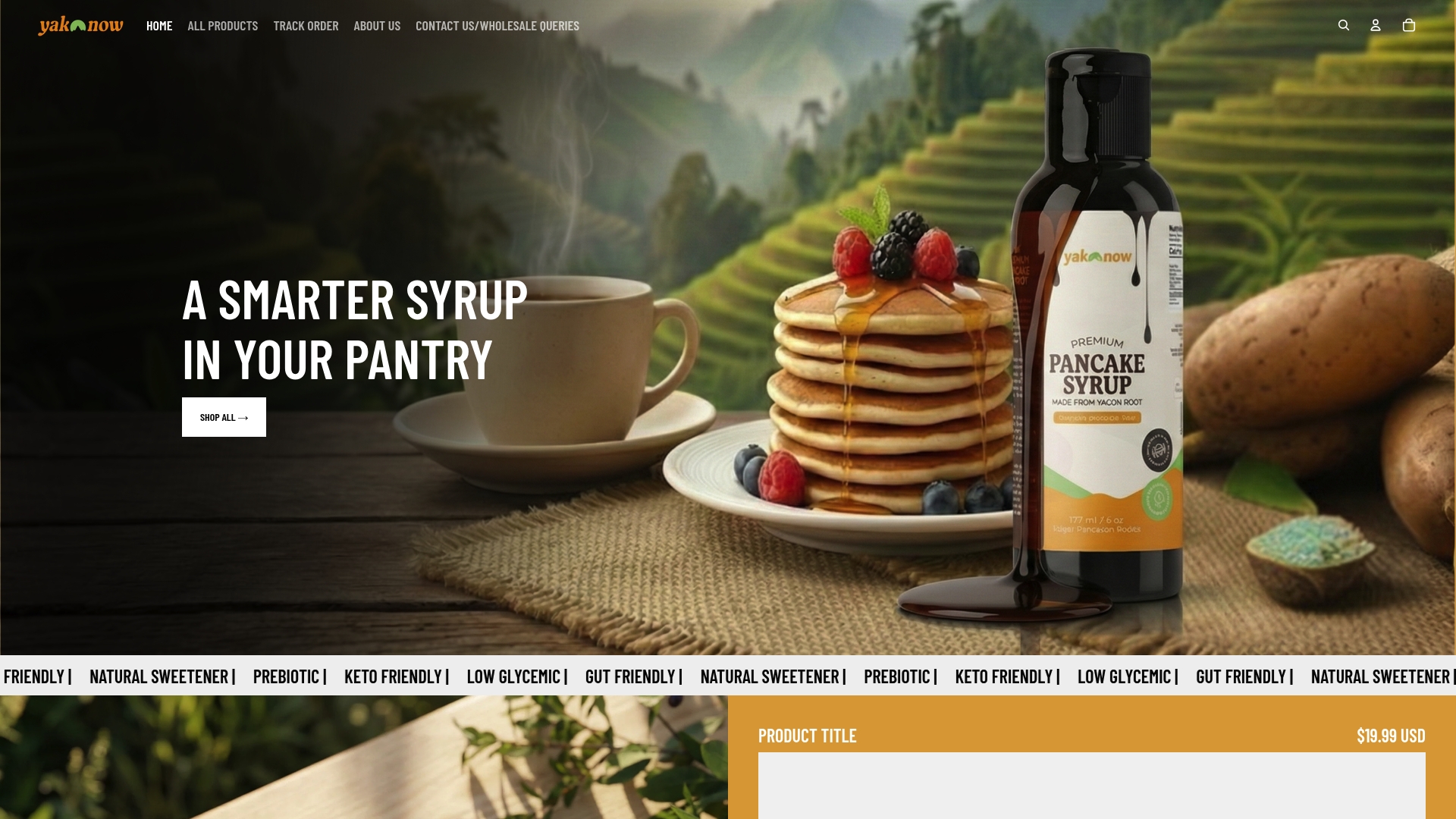
It drizzles beautifully over pancakes, oatmeal, yogurt, and fresh fruit, making it a quiet upgrade for slow family mornings. The bottle is squeezable, the flavor is gently sweet and earthy, and the ingredient list is one word. If you are ready to replace the syrup on your breakfast table with something genuinely clean, Yakonow yacon syrup is worth keeping stocked.
FAQ
What does “clean label” mean on a food product?
“Clean label” is a marketing term with no legal definition in the US as of mid-2026. It generally refers to foods with short, recognizable ingredient lists and minimal processing, but the FDA does not regulate or enforce the claim.
How do I know if a sweetener is truly clean label?
Check the Nutrition Facts panel for total added sugars rather than relying on ingredient names. Sugar aliases like fruit juice concentrate and nectar appear in clean-labeled products but carry the same metabolic impact as refined sugar.
What are the best clean label pantry staples to start with?
Dried beans, plain rolled oats, canned whole tomatoes, extra virgin olive oil, and single-ingredient natural sweeteners like Yakonow yacon syrup are reliable starting points. These items have simple, consistent profiles and minimal additive concerns.
Do I need to replace my entire pantry to eat clean?
Replacing only your most frequently purchased processed items, such as salad dressings, snack bars, and cereals, delivers the greatest dietary impact without overspending or burnout. A gradual, one-swap-at-a-time approach works best for most families.
Is a shorter ingredient list always better?
Not always. A product with more ingredients can still be clean if each additive serves a clear culinary purpose. Culinary function and sourcing transparency matter as much as ingredient count.