

Gut Health Family Diet Overhaul: A Practical Guide
A gut health family diet overhaul means intentionally adding fiber-rich and fermented foods to everyday meals so beneficial gut bacteria can thrive. This is not about perfection or expensive specialty products. It is about small, consistent shifts that fit into the rhythm of real family life: Saturday morning oatmeal, a weeknight lentil stew, a spoonful of yogurt before school. The gut microbiome influences about 70% of immune function, which means the food your family eats at the table is doing far more than filling stomachs. The good news is that the most effective changes are also the most ordinary.
What are the essential gut-friendly foods for a family diet?
A gut-friendly diet rests on two pillars: fiber-rich foods that feed beneficial bacteria, and fermented foods that introduce them. Both are available at any grocery store and fit into meals your family already loves.
Fiber-rich foods are the foundation. Fruits, vegetables, legumes, whole grains, and nuts all count. Within that group, prebiotic foods deserve special attention. Prebiotics are specific fibers that selectively feed beneficial gut bacteria rather than just passing through. Onions, garlic, asparagus, green bananas, and chickpeas are among the most effective prebiotic foods for kids. These are not exotic ingredients. They are already in most family kitchens.
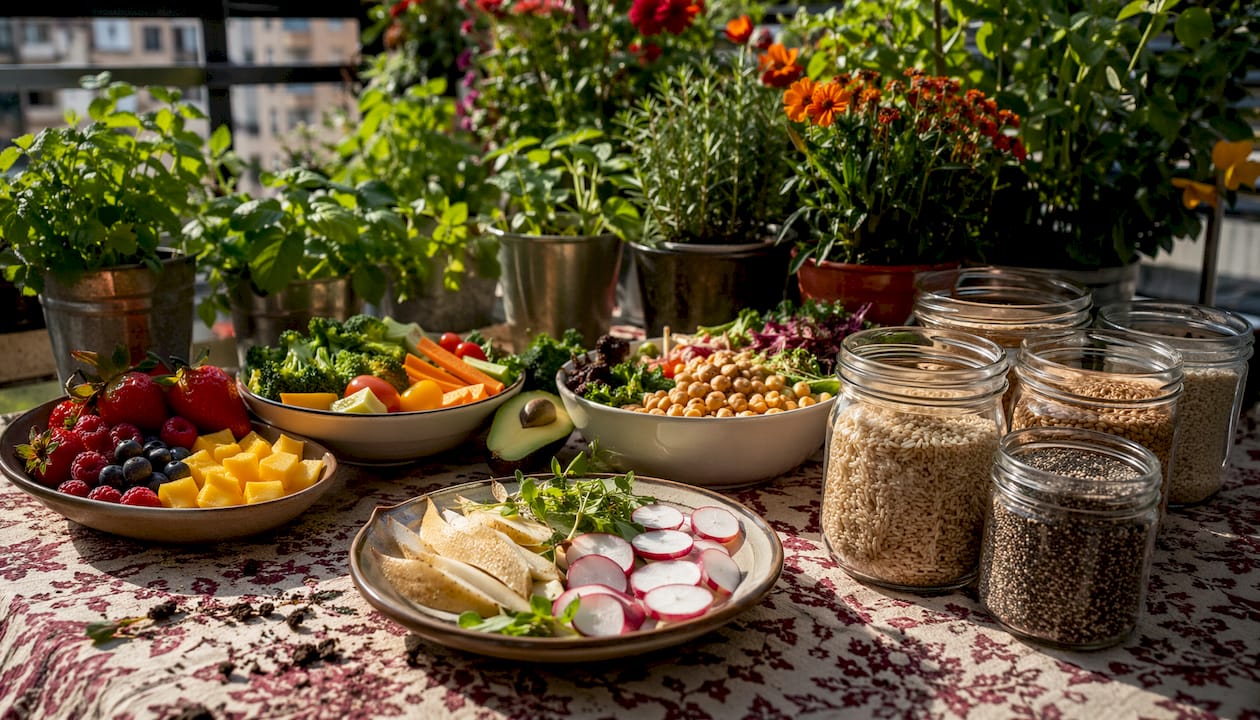
Fermented foods add live beneficial bacteria directly to the gut. Yogurt, kefir, sauerkraut, kimchi, miso, and tempeh all qualify, provided they contain live active cultures. A Stanford trial linked fermented food intake to increased gut microbial diversity and reduced inflammatory markers. That is a meaningful result from foods that cost a few dollars at the store.
Children require up to 25 grams of fiber daily and 3–6 servings of fermented foods per day after a four-week ramp-up period. Those numbers sound large, but a cup of lentil soup, a banana, and a yogurt parfait together cover a significant share of both targets.
- Legumes: lentils, black beans, chickpeas (7–9g fiber per serving)
- Whole grains: oats, brown rice, whole-wheat pasta
- Prebiotic vegetables: garlic, onions, asparagus, leeks
- Fermented foods: plain yogurt, kefir, sauerkraut, miso paste
- Fruits: green bananas, apples, berries, pears
Pro Tip: Add a tablespoon of chia seeds to overnight oats or smoothies. Chia delivers soluble fiber that forms a gel in the gut, slowing digestion and feeding beneficial bacteria without changing the flavor of the meal.
How to start a gut health diet overhaul for your family
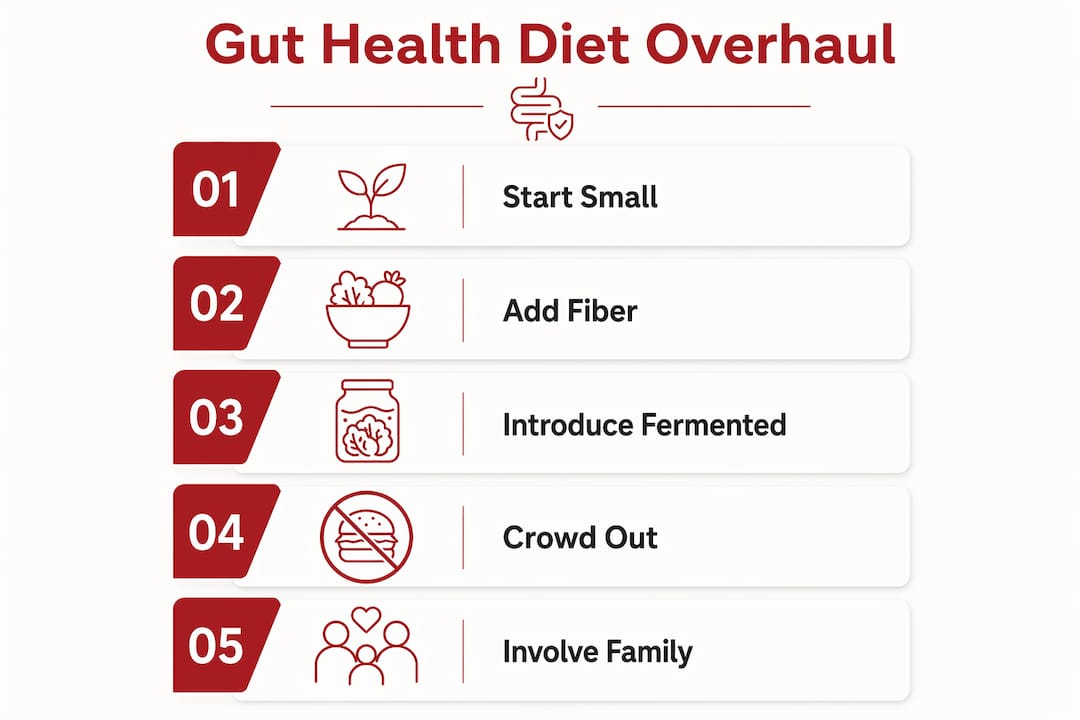
The most effective approach to revamping a family diet is one small change done consistently rather than a full dietary reset. Drastic overhauls create resistance, especially with children. Incremental swaps build habits that last.
-
Swap the breakfast cereal. Replace sugary cereals with plain yogurt layered with fresh fruit and a drizzle of oats. This single swap adds live cultures, fiber, and protein to the morning without a fight. A repeatable breakfast template reduces decision fatigue and keeps fiber intake consistent across the week.
-
Add legumes to familiar dinners. Stir a can of black beans into taco meat. Blend lentils into pasta sauce. Toss chickpeas into chili. Plant-forward meal swaps like replacing one-third of the meat in a dish with legumes meaningfully increase fiber without changing the flavor profile families expect.
-
Introduce fermented foods gradually. Start with one serving per day, such as a small cup of yogurt or a tablespoon of sauerkraut on the side of dinner. Build toward 3–6 daily servings over four weeks. Going too fast causes bloating and gas, which discourages the whole effort.
-
Batch cook on the weekend. A pot of lentil soup, a tray of roasted chickpeas, and a jar of overnight oats prepared on Sunday cover gut-friendly lunches and breakfasts for three to four days. Repetition of preferred meals reduces the mental load of daily decisions, which matters enormously for busy households.
-
Increase fiber slowly and drink more water. Gradual fiber increases prevent the gas and bloating that derail good intentions. Add one new fiber source per week and pair every increase with an extra glass of water at meals.
Pro Tip: Use the “crowding out” method. Add a gut-friendly food alongside what your family already eats rather than removing anything. A side of sauerkraut next to a burger, or a handful of berries with a packaged snack, builds the habit without triggering resistance.
What challenges do families face when overhauling their gut health diet?
The three most common obstacles are picky eaters, initial digestive discomfort, and the assumption that eating well costs more. All three are manageable.
Picky eaters respond better to involvement than instruction. Letting children help shop and cook builds positive associations with new foods. A child who chose the sauerkraut at the store is far more likely to try it at dinner. Start with mild fermented foods like plain yogurt or lightly seasoned miso soup before introducing stronger flavors like kimchi.
Digestive discomfort is normal in the first one to two weeks of a fiber increase. Gas and bloating usually resolve on their own as the gut microbiome adjusts. The fix is simple: slow down, drink more water, and add one new food at a time. This is not a sign that the approach is wrong. It is a sign that the gut is changing.
Dairy sensitivity does not exclude anyone from fermented foods. Miso and tempeh are gentler alternatives to yogurt or kefir for family members with lactose intolerance or IBS. Both deliver live cultures and are easy to incorporate into soups, stir-fries, and grain bowls.
The goal is not a perfect gut health diet. The goal is a slightly better one, repeated often enough that it becomes the family’s normal. Celebrate the small wins: the child who tried kimchi, the dinner that used lentils, the morning that started with yogurt instead of a sugary cereal.
Budget is rarely the barrier parents expect. Affordable gut-friendly dinners like lentil stew or salmon with roasted chickpeas and broccoli deliver 15–24 grams of fiber per meal at roughly $3–$5 per person. Legumes and whole grains are among the least expensive foods in any grocery store.
How to plan gut-healthy meals for breakfast, lunch, and dinner
A practical digestive health meal plan does not require new recipes every day. It requires a small set of templates that rotate through the week with minor variations.
Breakfast templates
Overnight oats with yogurt, sliced banana, and cinnamon take five minutes to assemble the night before. Whole-grain toast with almond butter and sliced pear is ready in two minutes. Both hit fiber and fermented food targets before the school bus arrives. A gut health breakfast checklist can help parents confirm they are covering the key categories without overthinking it.
Lunch and dinner ideas
Turkey wraps with a spoonful of sauerkraut, bean and vegetable salads, and miso soup alongside brown rice all work as quick lunches. For dinner, lentil stew with crusty whole-grain bread, salmon with roasted chickpeas and broccoli, and pasta with white beans and a fermented side cover the fiber and culture targets affordably. Lentil dishes alone deliver 7–9 grams of fiber per serving, making them one of the most efficient gut-friendly foods in any family meal plan.
| Meal | Gut-friendly elements | Approx. fiber |
|---|---|---|
| Overnight oats with yogurt and banana | Oats, live cultures, prebiotic fruit | 8–10g |
| Lentil stew with whole-grain bread | Lentils, complex carbs | 15–18g |
| Salmon with roasted chickpeas and broccoli | Prebiotic legumes, cruciferous veg | 10–12g |
| Pasta with white beans and miso side | Legumes, fermented miso | 12–15g |
| Yogurt with berries and chia seeds | Live cultures, soluble fiber | 6–8g |
Pro Tip: Roast a large tray of chickpeas on Sunday. They keep in an airtight container for five days and work as a crunchy snack, a salad topper, or a side dish. One batch covers multiple gut-friendly meals with zero extra effort mid-week.
Key Takeaways
A gut health family diet overhaul works best when fiber-rich foods and fermented foods are added gradually to familiar meals, creating lasting habits without disrupting the family table.
| Point | Details |
|---|---|
| Start with one swap | Replace sugary breakfast cereals with yogurt and fruit to add fiber and live cultures immediately. |
| Use the crowding-out method | Add gut-friendly foods alongside existing meals rather than removing favorites to reduce resistance. |
| Introduce fermented foods slowly | Begin with one daily serving and build to 3–6 over four weeks to avoid digestive discomfort. |
| Batch cook for consistency | Prepare lentils, chickpeas, and overnight oats on the weekend to cover gut-friendly meals all week. |
| Affordable meals deliver results | Lentil stew and chickpea dishes provide 15–24g of fiber per meal at roughly $3–$5 per person. |
What I’ve learned about feeding a family for the long haul
There was a season when I tried to overhaul everything at once. New grains, new fermented foods, new snacks, new rules at the table. My kids pushed back. I felt defeated by Tuesday. What actually worked was far quieter: one jar of yogurt in the fridge, one pot of lentil soup on Sunday, one small habit repeated until it stopped feeling like effort.
The science supports this. Focusing on one consistent change outperforms chasing dietary perfection. But beyond the research, there is something true about the table itself. When food becomes a source of pressure, children feel it. When it becomes a ritual, they lean in. The overnight oats my daughter now makes herself on Friday nights started as a recipe I made once without announcing it as “healthy.”
Fermented foods are the same. I did not introduce sauerkraut as a gut health intervention. I put a small bowl of it on the table next to dinner and said nothing. By the third week, my son was spooning it onto his plate without being asked. Repetition and calm are the two most underrated tools in a family kitchen.
The goal was never a perfect gut health diet. It was a table worth gathering around, where the food happened to be good for everyone sitting there. That is still the goal.
— Celeste
A small addition that makes mornings feel like something
The morning table is where gut health habits are easiest to build. A bowl of oatmeal, a yogurt parfait, a stack of whole-grain pancakes: these are already the meals families reach for on slow weekend mornings. Adding one prebiotic element to that moment does not require a new routine. It just requires the right ingredient.

Yakonow yacon syrup is hand-harvested from yacon root in Peru and contains up to 50g of prebiotic FOS fiber per 100g, with a glycemic index of just 1. It drizzles over pancakes, yogurt bowls, and oatmeal the way any syrup would, but it feeds beneficial gut bacteria instead of spiking blood sugar. For families building a gut-friendly breakfast habit, it is the kind of small, beautiful detail that makes the ritual worth keeping.
FAQ
What is a gut health family diet overhaul?
A gut health family diet overhaul means gradually adding fiber-rich and fermented foods to everyday family meals to nourish beneficial gut bacteria. The focus is on sustainable, affordable swaps rather than a complete dietary reset.
How much fiber do children need each day?
Children need up to 25 grams of fiber daily to support digestion and gut microbiome development. Lentils, oats, chickpeas, and fruits like bananas and apples are among the most accessible sources.
How do you introduce fermented foods to kids?
Start with one mild serving per day, such as plain yogurt or a small amount of miso soup, and build slowly over four weeks. Involving children in choosing and preparing fermented foods improves acceptance significantly.
What are the most affordable gut-friendly dinner options?
Lentil stew, pasta with white beans, and salmon with roasted chickpeas and broccoli each deliver 15–24 grams of fiber per meal at approximately $3–$5 per person. Legumes are the most cost-effective gut-friendly ingredient in any family kitchen.
Can family members with dairy intolerance still eat fermented foods?
Yes. Miso and tempeh are dairy-free fermented foods that deliver live cultures and support gut microbiome diversity. Both are gentle options for family members with lactose intolerance or digestive sensitivity.