

Single-Ingredient Foods for Kids: Benefits and Easy Ideas
Single-ingredient foods — whole fruits, plain vegetables, eggs, plain yogurt, beans, whole grains, and single-protein items — give children the vitamins, minerals, fiber, and steady energy they need while cutting the added sugars and excess sodium that crowd out real nutrition. The American Academy of Pediatrics recommends minimizing ultra-processed foods in favor of whole, single-ingredient options, and the 2025–2030 Dietary Guidelines back that up with clear guidance on nutrient-dense eating patterns for children. The single most useful thing you can do today: swap one packaged snack or breakfast item for a single-ingredient alternative.
- Swap one item now. Replace a flavored pouch or sweetened cereal bar with a piece of fruit, a hard-boiled egg, or plain yogurt.
- Read the ingredient line, not the front label. One ingredient listed means one ingredient inside.
- Start small. One swap per week builds a habit without turning mealtimes into a project.
Pro Tip: Keep a bowl of washed fruit on the counter. Visible food gets eaten. It’s the lowest-effort swap you’ll make.
Key Takeaways
Single-ingredient foods give children the nutrients they need while reducing added sugars and sodium — and the simplest way to start is one swap at a time.
| Point | Details |
|---|---|
| Start with one swap | Replace one packaged snack or breakfast item with a single-ingredient option this week. |
| Read the ingredient line | One ingredient listed means one ingredient inside — frozen fruit, plain yogurt, and whole eggs all qualify. |
| Age matters for texture | Introduce purees at 6 months, transition to thicker mashes around 7–8 months, soft finger foods by 8–10 months, and family foods by 10–12 months. Most babies can join family meals with soft, appropriately sized items by 10–12 months. |
| Variety covers restrictions | Single-ingredient foods are naturally gluten-free, dairy-free, or vegan-friendly depending on what you choose. |
| Yakonow for sweet moments | Yakonow yacon syrup is a single-ingredient, low-glycemic sweetener for yogurt, oatmeal, and family breakfasts. |
This article is general information, not a substitute for advice from a qualified doctor. Consult a qualified healthcare professional about your own circumstances before acting on anything here.
Table of Contents
- What are the real benefits of single-ingredient foods for children?
- How do you introduce single-ingredient foods by age?
- How do you shop for genuinely single-ingredient foods?
- What are easy single-ingredient meals and snacks kids will actually eat?
- How do you get kids to actually accept single-ingredient foods?
- What safety rules should every parent know?
- How do popular single-ingredient foods compare nutritionally for kids?
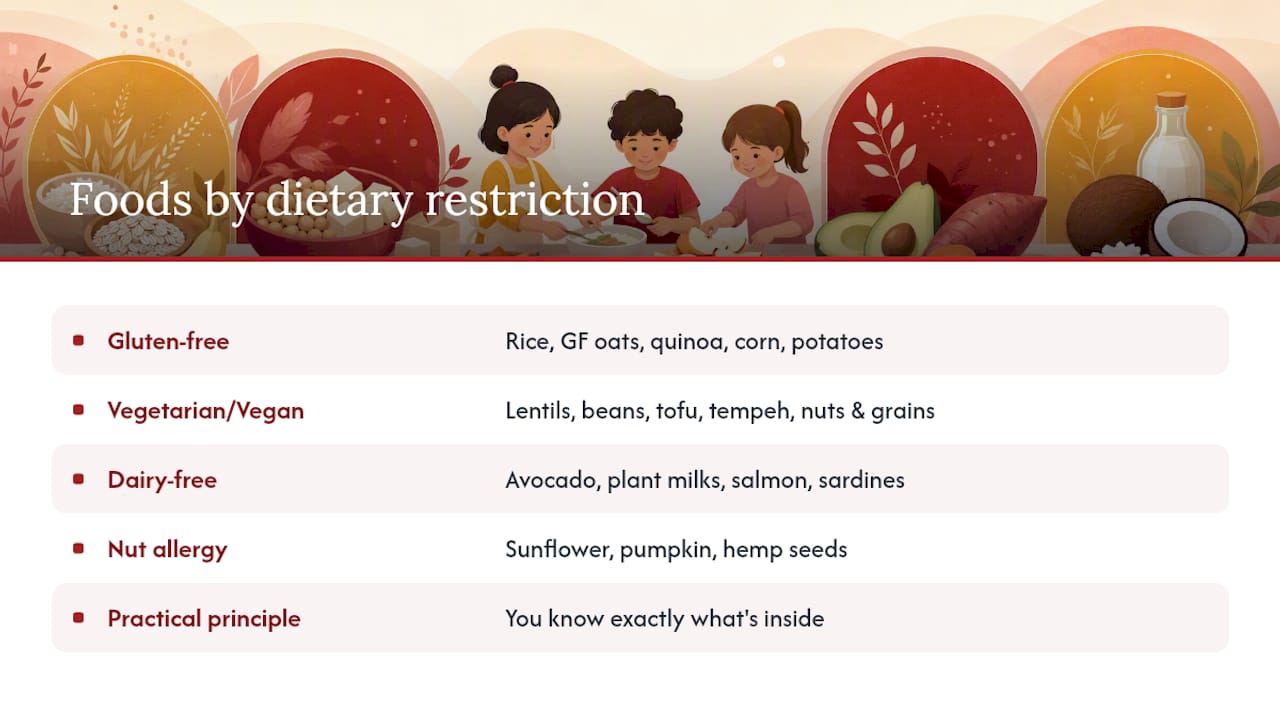
- How do you feed kids with dietary restrictions using single-ingredient foods?
- Yakonow yacon syrup: a single-ingredient sweet for family mornings
- The table is the point
- Sources
What are the real benefits of single-ingredient foods for children?
The CDC links healthy eating directly to brain development, healthy growth, strong immunity, good digestion, and dental health in children. Single-ingredient foods deliver those benefits because they arrive without the additives that dilute nutritional value.
Growth and brain development depend on consistent micronutrient intake. Whole foods tend to supply iron, zinc, calcium, and B vitamins in forms the body absorbs well. Processed snacks often replace those nutrients with added sugar and sodium.
Gut health and immunity get a real boost from fiber. Plain yogurt supplies live cultures; beans, oats, and high-fiber fruits feed the beneficial bacteria already in your child’s gut. For a deeper look at how prebiotic foods support kids’ gut health, the connection between fiber and immunity is worth understanding early.
Satiety is quieter but just as important. Whole foods digest more slowly, so kids feel full longer and are less likely to cycle through snack after snack. A Feeding Infants and Toddlers Study analysis found that infants and toddlers in the U.S. obtain a substantial portion of their energy from ultra-processed foods, which contribute disproportionately to sodium and added-sugar intake.
One honest nuance: some fortified processed items — certain infant cereals, for example — supply meaningful iron and zinc. The practical approach is to prioritize single-ingredient staples and use targeted fortified options when your pediatrician recommends them, not as a default.
| Benefit | Key single-ingredient sources |
|---|---|
| Brain development | Eggs, salmon, walnuts, avocado |
| Bone and muscle growth | Plain yogurt, beans, chicken, sweet potato |
| Gut health and immunity | Oats, bananas, plain yogurt, lentils |
| Steady energy | Brown rice, oats, whole fruit, sweet potato |
| Dental health | Cheese, leafy greens, carrots, plain water |
Pro Tip: Pair an iron-rich food (beans, meat) with a vitamin-C source (orange slices, bell pepper strips) at the same meal. Absorption improves noticeably.
How do you introduce single-ingredient foods by age?
Infants around 6 months
Start with single-ingredient, nutrient-dense complementary foods and introduce one new food every 3–5 days so you can spot any reaction clearly. Clinical guidance from Merck Manuals highlights iron-rich options — pureed meat, lentils, iron-fortified single-grain cereals — as priorities for breastfed babies. Homemade single-ingredient purees let you control exactly what goes in and expose babies to a wider range of flavors early.
- Start with smooth, thin purees (single vegetable or fruit, single protein).
- Move to thicker mashes around 7–8 months as your baby handles textures better.
- Introduce soft finger foods around 8–10 months: small pieces of ripe banana, soft-cooked carrot, flaked fish.
- By 10–12 months, most babies can join family meals with appropriately sized, soft versions of what everyone else is eating.
Never offer honey before 12 months. Avoid unpasteurized dairy for infants and young children. Whole grapes, whole cherry tomatoes, and raw hard vegetables are choking hazards until children can chew reliably.
Toddlers (1–2 years)
Move toward coarser textures and family foods. Prioritize iron and zinc if your child is still breastfeeding. Offer single-ingredient proteins (chicken, eggs, beans), steamed vegetables, and whole fruit at most meals. Toddler-sized portions are roughly a tablespoon per year of age per food item — small, but that’s normal.
Children 2 and older
The 2025–2030 Dietary Guidelines pediatric review strengthens guidance on added sugars and highlights risks of highly processed foods for early childhood. A plain fruit cup beats a sweetened one. Brown rice beats a flavored rice packet. The swaps are small; the cumulative difference over years is not.
How do you shop for genuinely single-ingredient foods?
The rule is simple: one ingredient on the label means one ingredient in the food. A bag of frozen blueberries with “blueberries” as the only listed ingredient is single-ingredient. A blueberry fruit snack with five lines of text is not.
- Frozen produce is your friend. Frozen vegetables and fruits picked at peak ripeness often retain more nutrients than fresh produce that traveled for days. Look for bags with no added salt, sauce, or syrup.
- Canned options work too. Choose “no salt added” canned beans and “in its own juice” canned fruit. Check the ingredient line, not just the front claim.
- Watch for hidden additions. Added sugars hide under names like cane juice, dextrose, maltose, and fruit concentrate. Sodium-containing preservatives appear in many “natural” snacks.
- Buy in bulk for staples. Oats, brown rice, lentils, and dried beans cost significantly less per serving than packaged equivalents and have no additives.
- Shop seasonally for produce. In-season fruit and vegetables cost less and taste better. A seasonal produce guide makes it easy to plan around what’s fresh and affordable each month.
The USDA child nutrition guidance encourages prioritizing whole, nutrient-dense proteins, dairy, fruits, vegetables, and whole grains. That’s the same list you’re building from when you shop single-ingredient. For practical label-reading tips, understanding nutrition labels helps you spot added sugars fast.
What are easy single-ingredient meals and snacks kids will actually eat?
The goal is building blocks, not complicated recipes. Mix and match from this list and you have most of a week covered.
Breakfast
- Plain yogurt with sliced strawberries and a drizzle of Yakonow yacon syrup
- Mashed ripe banana stirred into warm oatmeal
- Scrambled eggs with a side of orange slices
Lunch and dinner
- Grilled chicken strips, steamed broccoli, baked sweet potato
- Brown rice, black beans, sliced avocado
- Salmon fillet, roasted carrots, plain quinoa
Snacks
- Apple slices with single-ingredient almond or sunflower seed butter
- Carrot sticks and hummus (check the label: chickpeas, tahini, lemon, garlic, olive oil)
- Plain popcorn for children 4 and older
- Whole fruit: banana, pear, clementine
For a full week of family-friendly ideas built around whole foods, a weekly meal plan for busy families takes the guesswork out of planning.
Serving size cues by age:
| Age | Approximate portion per food |
|---|---|
| 6–12 months | 1–2 tablespoons per item |
| 1–3 years | 2–4 tablespoons (toddler palm) |
| 4–6 years | ¼ to ½ cup per item |
| 7 and older | ½ to 1 cup, moving toward family portions |
How do you get kids to actually accept single-ingredient foods?
Involvement beats instruction every time. Let your child pick one fruit or vegetable at the store. Let them wash the produce, tear the lettuce, or add a topping themselves. That small ownership changes how they feel about eating it.
- Rituals over rules. Regular family meals and predictable snack windows build comfort with food. Kids who sit at the table regularly eat a wider variety.
- Repeat without pressure. Offer a new food 10–15 times before deciding a child dislikes it. Put it on the plate alongside a familiar favorite and say nothing about it.
- Let them serve themselves. A platter of single-ingredient items — fruit, cheese, cucumber slices — lets children choose portions and feel in control.
- Make prep sensory. Washing berries, peeling a clementine, mashing a banana — these small tasks make food feel familiar before it even reaches the mouth.
Pro Tip: A light drizzle of Yakonow yacon syrup on plain yogurt or warm oatmeal makes the familiar feel a little special. It’s a small ritual that turns a plain bowl into something worth sitting down for.
What safety rules should every parent know?
Allergy introduction: Introduce one new single-ingredient food every 3–5 days. Introduce common allergens — peanut, egg, tree nuts, fish — when your child is developmentally ready, per your pediatrician’s guidance. Current pediatric guidance notes that delaying allergen introduction beyond recommended windows does not prevent allergies.
- Choking hazards to avoid for children under 4: whole grapes, whole cherry tomatoes, raw carrots, whole nuts, large chunks of meat, popcorn.
- Honey: never before 12 months, no exceptions.
- Unpasteurized dairy: avoid for infants and young children.
- Elimination diets: if you suspect a sensitivity, single-ingredient fresh foods are among the safest options during a supervised elimination trial. Always work with your pediatrician to avoid nutritional gaps.
Call your pediatrician if you notice hives, wheezing, or severe vomiting after a new food; if your child consistently refuses food in a way that affects weight gain; or if there is any urgent breathing or swallowing concern.
How do popular single-ingredient foods compare nutritionally for kids?
Not all single-ingredient foods are equal, and knowing what each one contributes helps you build a balanced plate without overthinking it.
| Food | Key nutrients for kids | Best for |
|---|---|---|
| Eggs | Protein, choline, iron, B12 | Brain development, growth |
| Sweet potato | Vitamin A, fiber, potassium | Immunity, digestion |
| Plain yogurt | Calcium, protein, live cultures | Bone health, gut health |
| Lentils | Iron, zinc, fiber, plant protein | Energy, iron for breastfed babies |
| Banana | Potassium, vitamin B6, natural sugars | Quick energy, gut-friendly fiber |
| Salmon | Omega-3s, protein, vitamin D | Brain development, growth |
| Oats | Fiber, iron, B vitamins | Satiety, steady energy |
| Avocado | Healthy fats, folate, vitamin E | Brain development, nutrient absorption |
Variety across this list across the week covers most of what growing children need. No single food does everything; the combination does.
How do you feed kids with dietary restrictions using single-ingredient foods?
Single-ingredient foods are naturally the most flexible category for families managing restrictions, because there’s nothing hidden to check.
Gluten-free: Rice, oats labeled gluten-free, quinoa, corn, potatoes, all fresh fruits and vegetables, plain meats, eggs, and legumes are all naturally gluten-free. The single-ingredient rule makes shopping straightforward.
Vegetarian and vegan: Lentils, beans, tofu, tempeh, eggs (for vegetarians), plain nuts and seeds, and whole grains cover protein and iron well. Pair plant-based iron sources with vitamin C at each meal to improve absorption. A gut-healthy pantry built around whole foods makes vegetarian family meals much easier to pull together.
Dairy-free: Avocado, fortified plant milks (check the label for single or minimal ingredients), salmon, sardines, and leafy greens supply calcium and healthy fats without dairy.
Nut allergies: Seeds — sunflower, pumpkin, hemp — are single-ingredient alternatives to nut butters and work well for school lunches.
The practical principle: when a food is a single ingredient, you know exactly what’s in it. That clarity is the biggest advantage for any family managing a restriction or sensitivity.
Yakonow yacon syrup: a single-ingredient sweet for family mornings
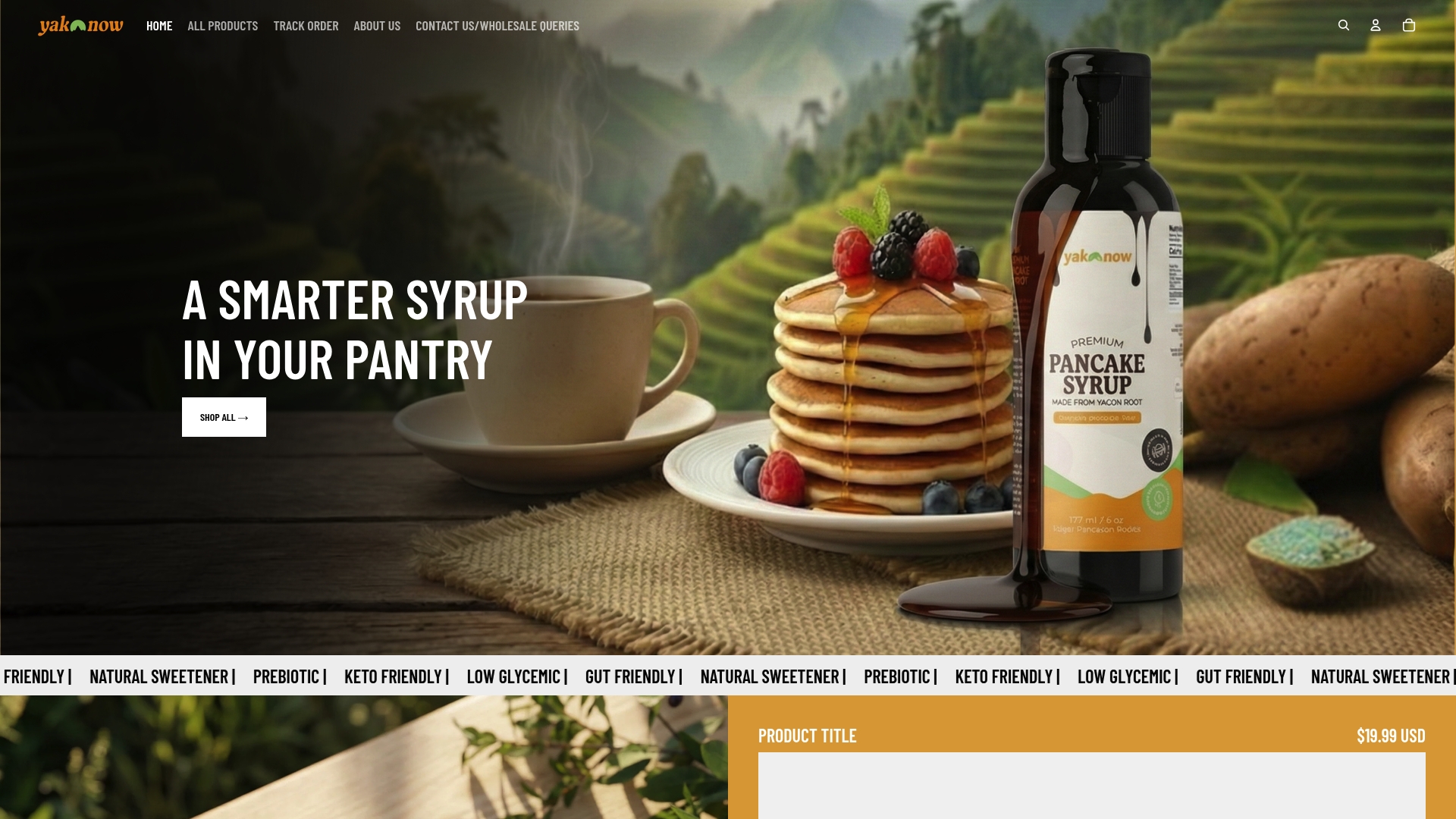
Yakonow yacon syrup is 100% pure yacon root, hand-harvested in Peru and bottled in Texas. One ingredient. No added sugar, no colorants, no artificial sweeteners. Its glycemic index sits at just 1 (compared to 54 for maple syrup), and it contains prebiotic FOS fiber that feeds the good bacteria in your gut.
For families already building single-ingredient habits, it fits naturally: a light drizzle over plain yogurt at snack time, stirred into warm oatmeal on a slow morning, or used sparingly on weekend pancakes instead of conventional syrup. It sweetens without the sugar spike, which means the moment stays easy and the table stays calm.
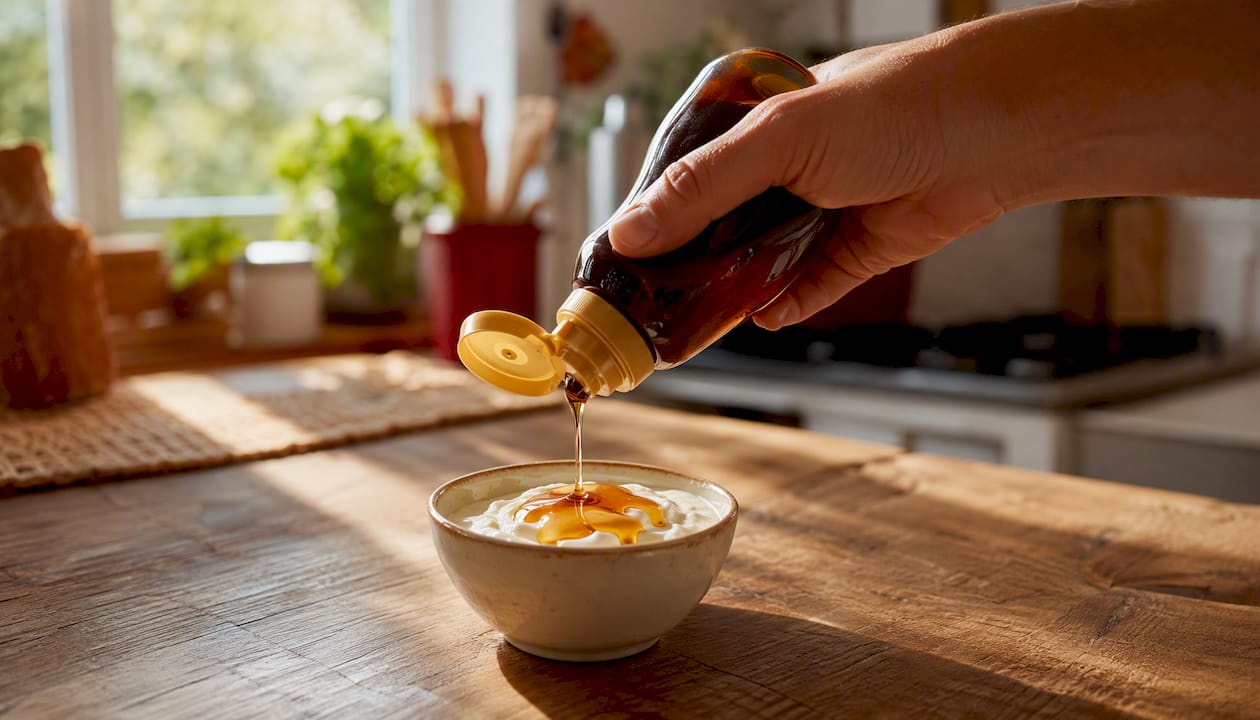
Start with the single 6oz squeezable bottle to see how your family takes to it. Families who use it regularly tend to reach for the pack of 2 or the pack of 4 once it becomes part of the morning routine.
The table is the point
There’s a particular kind of morning I keep coming back to: the kitchen is warm, oatmeal is on the stove, and someone small is asking to pour the syrup themselves. That’s the moment. Not the nutrition label, not the ingredient count. Just the small ritual of gathering around something good.
Single-ingredient swaps work because they’re quiet. You don’t announce them. You put a bowl of fruit on the counter, you stir plain yogurt instead of opening a flavored pouch, you let your child pick the vegetable at the store. Over weeks, those small choices add up to a table that feels different — calmer, more connected, more like yours.
Pick one swap this week. Invite the kids to help make it.
Sources
- Healthychildren
- Healthy eating benefits for children | CDC
- Dietary Guidelines for Americans 2020–2025 (Table and guidance excerpts)
- Dietary intake of infants and toddlers by level of processing — Feeding Infants & Toddlers Study
- USDA guidance: child nutrition and the DGA 2025–2030 (guidance document)
- Eatright
- The 2025–2030 dietary guidelines for Americans: a pediatric review (PubMed record)
- Solid foods in infancy — Merck Manuals (Professional)